You’re choosing between Verbier and Val d’Isère because you want a full week of serious terrain, not a “cute Euro ski trip.” This Verbier vs Val d’Isère guide is written for advanced American skiers who’ve never skied Europe, so it stays focused on what changes your week: how the lift-linked domains feel, how off-piste works […]

You’re choosing between Verbier and Val d’Isère because you want a full week of serious terrain, not a “cute Euro ski trip.” This Verbier vs Val d’Isère guide is written for advanced American skiers who’ve never skied Europe, so it stays focused on what changes your week: how the lift-linked domains feel, how off-piste works culturally, and where a guide saves real time.
And yes, lunch matters here.
Pick Verbier when you want a freeride-leaning week inside the 4 Vallées and you’re happy to route intentionally all day. Pick Val d’Isère when you want a big, legible piste foundation (300 km of piste in the Espace Killy area) with serious off-piste on tap, spread across Val d’Isère and Tignes without changing your base.
Two quick truths you’ll feel on day one:
The Alps reward planning around sectors, not single lifts.
Off-piste is a normal part of the conversation, not a side quest.
If I’m being picky, the “right” answer is less about which resort is “better,” and more about which one matches how you like to ski when conditions aren’t perfect.
European piste colors (green/blue/red/black) look familiar, but the day-to-day experience isn’t the same as North America. You’ll deal with more intersections, longer continuous descents, and a lift network that’s built for moving across a domain, not lapping one pod. Expect a short adjustment window, even if you ski black diamonds at home without thinking.
The practical stuff that trips up strong skiers:
A European “red” can ski like a long, fast cruiser that keeps going, and going. Your legs notice the duration before the pitch. Snow texture matters too, because you’ll transition between groomed pistes and ungroomed zones more fluidly than at many North American resorts.
Insider move: take your first morning as an orientation lap, not a hero lap. Learn the signage at junctions and identify the “hinge” lifts that get you back toward your home base without drama near the end of the day.
In many Alpine resorts, off-piste is ungroomed terrain outside marked pistes that’s still accessed by lifts. The cultural norm is straightforward: people ski it. The operational reality is also straightforward: local knowledge decides whether you get a clean exit back to lifts or end up burning time (and patience) trying to reconnect.
You’ll hear skis on hardpack, then the sudden quiet when you drop into softer snow. That contrast is part of the appeal.
Large, interconnected domains reward timing. You don’t want to be two sectors away when lifts start closing. And you don’t want to spend your best snow window traversing flats because you picked the “logical” route on the map.
If you want a broader view of how EuroThrills structures ski weeks across the Alps, start at Winter Skiing trips in the European Alps.
Verbier gives you access to the 4 Vallées, and the resort’s reputation leans steep and off-piste. For an advanced American skier, the headline is simple: the scale supports a full week, and the terrain identity rewards comfort in variable snow. The tradeoff is that your decisions matter more, because the “best skiing today” depends on sector choice and timing.
Cold air, chalky edges, and that slightly louder scrape when a pitch firms up. Verbier has days like that, and it’s still a good time if you pick terrain smart.
EuroThrills’ Verbier offering is the Verbier Classic Ski Week: 7 nights, Intermediate–Advanced, based in a ski-in/ski-out chalet hotel, with a guide who has skied Verbier for twelve winters. That ski-in/ski-out detail is not fluff. It changes your week.
A couple of friction points disappear:
Early starts get easier, because you’re not negotiating transfers.
Midday resets happen fast, which matters when conditions shift.
Late-day timing gets simpler, because “home” is right there.
Cluster link for the specifics: Verbier Classic Ski Week.
Navigation complexity is the cost of scale. If you arrive expecting “lap the steep chair all day,” you’ll leave terrain on the table. Verbier pays you back when you commit to routing, adapt to conditions, and treat transitions as part of the strategy.
Short sentence. Don’t wing it.
Val d’Isère links with Tignes in the Espace Killy area, and the scale is clearly stated: 300 km of piste, plus extensive off-piste options. For advanced Americans new to Europe, that piste mileage is more than a number. It’s your safety valve on flat-light days, your warm-up platform while you recalibrate to European grading, and your recovery option when your legs need speed instead of survival turns.
You’ll smell wood smoke in town at the end of the day, and you’ll feel that deep, dry fatigue that comes from long descents instead of short laps.
You’re effectively skiing a two-resort system without moving hotels. That variety helps you structure days with intent:
High-mileage groomer days when visibility is poor
Targeted off-piste days when conditions line up
Mixed days that bounce between zones without committing to a single personality
EuroThrills positions this as the Val d’Isère & Tignes Powder Week: 7 nights, Advanced, led by a French National Ski School guide.
Cluster link for the trip page: Val d’Isère & Tignes Powder Week.
A linked system rewards timing. If you chase “just one more zone” late in the day, you can spend a chunk of time commuting instead of skiing. Plan your farthest push earlier, then work back toward your base as the afternoon goes on.
And don’t underestimate how much choice you’ll have. It’s a lot.
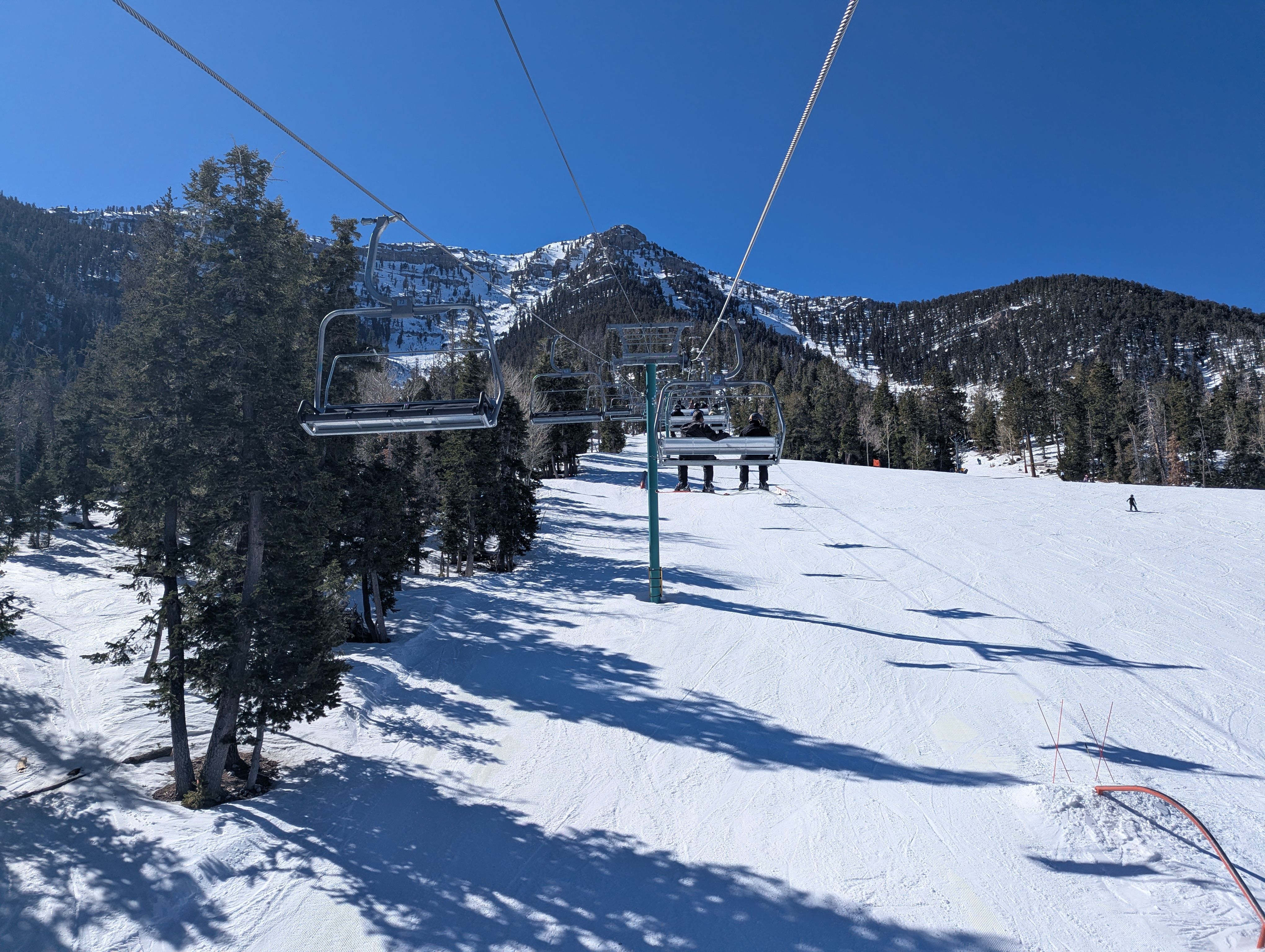
The lift hum is constant in big French domains. You notice it most when you stop for a minute and the sound keeps moving above you.
This Verbier vs Val d’Isère guide comes down to how you want your week to feel: freeride-forward and decision-heavy, or big-network and progression-friendly. Both deliver advanced terrain. They just deliver it differently.
Attribute | Verbier, Switzerland | Val d’Isère, France |
|---|---|---|
Ski domain | 4 Vallées | Espace Killy (Val d’Isère + Tignes) |
Trip length (EuroThrills listings) | 7 nights | 7 nights |
Stated piste scale | Not provided in inputs | 300 km of piste |
Positioning | Intermediate–Advanced | Advanced |
Guiding note (EuroThrills) | Guide has skied here for twelve winters | Led by a French National Ski School guide |
Lodging note (EuroThrills) | Ski-in/ski-out chalet hotel | Lodging style not specified in inputs |
A blunt ranking, if you want one:
Most “freeride identity” per week: Verbier.
Most “big piste foundation” for a first Europe week: Val d’Isère.
A European week skis best when you assign each day a job. That’s the difference between “we covered a lot of terrain” and “we skied the right terrain at the right time.” You’ll also sync with the Alpine day rhythm, where lunch is planned and pacing has more shape.
The sound cue you’ll learn: boots clacking on restaurant floors around midday. It’s not a grab-and-go culture.
Orientation day: learn signage conventions, junction density, and the hinge points between sectors
Conditions-chasing day: pick aspects and zones based on weather and recent snowfall
Visibility day: prioritize piste mileage and terrain that skis well in flat light
Big network day: commit to longer continuous descents and a full-domain circuit
Technique day: tighten tactics for steeps and chopped snow that show up more in off-piste
Insider move: set a personal “turnaround time” for your farthest sector. Not a rule for beginners, a rule for adults who don’t want to sprint for the last lift.
If you want the lunch piece dialed in before you arrive, keep this bookmarked: ski lunch in the Alps.
A local guide doesn’t “add value” in a vague way. A guide removes your biggest time-wasters: wrong lift choices, backtracking, and missing the best snow window because you were trying to interpret a complex map in the wind. For advanced Americans, that matters because you already have the skills. You just don’t have the local routing instincts yet.
And yes, it’s also about confidence. Off-piste culture is normal here, but you still want smart terrain selection and clean exits back to lifts and villages.
EuroThrills’ operating model is built around small groups and on-ground support: 12–20 guests (always fewer than 20), 7–9 days in length, 24/7 in-trip support, and a pre-trip planning call. The audience is specific too: Americans 40–62.
If you want the process spelled out in plain language, use How It Works as your reference.
EuroThrills lists a price range of $8,500–$14,500 per person for its premium small-group Alps trips, with Verbier and Val d’Isère offerings shown as 7-night departures. The value drivers in the provided information are concrete: named, on-ground guides, character properties (not chain hotels), and pre-trip planning plus 24/7 in-trip support.
One honest limitation: lodging specifics are not equally defined in the inputs across both resorts. Verbier is clearly stated as ski-in/ski-out for the Verbier Classic Ski Week. Val d’Isère lodging style is not specified here, so you should verify that detail for your departure.
If you want the company context before you commit to a week, read About EuroThrills. It explains the “why” without turning it into a sales pitch.
Verbier vs Val d’Isère is a choice between identity and structure. Verbier, in Switzerland, is your call when you want the 4 Vallées and a freeride-forward week where routing and conditions drive the decisions. Val d’Isère, in France, is your call when you want the Val d’Isère + Tignes system, the stated 300 km of piste, and a week that flexes between long groomers and off-piste without feeling like you picked the wrong base. Both reward a guide, especially on week one.
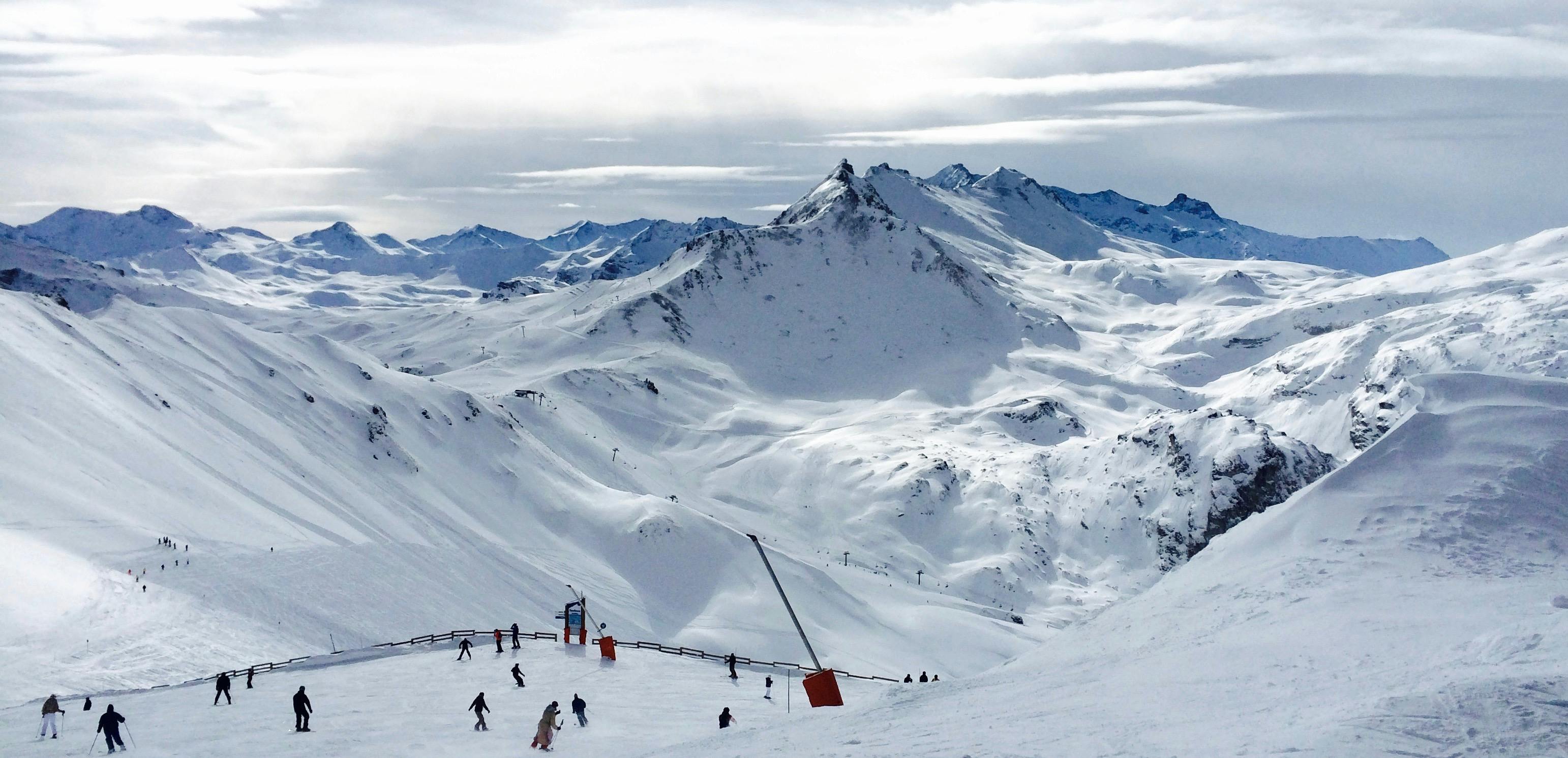
You’ll thank yourself for learning the signage early. It’s the difference between an extra lap and a long glide to nowhere.
 Powered by TypeHero
Guided by instructors who wrote the Field Guide — and at destinations they chose.