June in the Engadin Valley smells like cut grass and warm asphalt. The snow line has retreated above 2,400 meters, the passes are open, and the roads are empty because most tourists won’t arrive for another three weeks. That narrow window, the gap between snowmelt and summer crowds, is when alpine cycling is at its […]
June in the Engadin Valley smells like cut grass and warm asphalt. The snow line has retreated above 2,400 meters, the passes are open, and the roads are empty because most tourists won’t arrive for another three weeks. That narrow window, the gap between snowmelt and summer crowds, is when alpine cycling is at its best. But it shifts by region, by altitude, by which side of the mountain you’re on. Getting the timing right is the difference between a transcendent week on the bike and a cold, closed-road slog.
We guide cycling trips across five Alpine regions every summer. We know which cols open in late May, which ones hold ice into July, and where the afternoon thunderstorms stack up in August. This is what we’ve learned.
The window is wider than most people assume. Road cycling in the European Alps starts as early as mid-May on lower-altitude routes (below 1,500 meters) and stretches into mid-October in the southern Dolomites and Lake Garda foothills. High passes like the Col du Galibier (2,642 meters) and Stelvio Pass (2,757 meters) typically open between late May and mid-June, depending on snowfall that winter.
The core season, when all major passes are reliably open and daytime temperatures sit between 15°C and 28°C, runs from mid-June through mid-September. But “core” doesn’t mean “best.” Your ideal month depends on what you want: empty roads, peak fitness weather, autumn color, or a live Tour de France stage rolling past your hotel.
Factor | May–June | July–August | September–October |
|---|---|---|---|
Pass availability | Partial (lower cols open) | Full | Full, then narrowing |
Road traffic | Low | High (tourist peak) | Moderate to low |
Temperatures (valley) | 15–22°C | 22–30°C | 12–22°C |
Afternoon storms | Rare | Frequent (July especially) | Less frequent |
Daylight hours | 15–16 hrs | 15–16 hrs | 11–13 hrs |
Hotel availability | Good | Tight | Good |
If you’re planning one alpine cycling trip a year, I’d point you toward the last two weeks of June or the first week of July. The passes are open. The roads are quiet. The light lasts until nearly 9:30 pm in the northern Alps. And the heat hasn’t built to the point where afternoon convective storms become a daily event.
The Dolomites in late June are something else. The Passo Gardena, Passo Sella, and Falzarego are all clear, and the meadows above Corvara are still green from snowmelt. Temperatures at altitude (around 2,000 meters) hover near 14–18°C, which is close to ideal for sustained climbing effort. The Dolomites Road Cycling Classic runs during this window for exactly this reason.
In the French Alps, late June means the Col du Galibier and Col de la Croix de Fer are freshly opened. Snow walls still line the final kilometer of the Galibier on some years. The asphalt is clean, the gravel crews have finished their work, and you’ll share the road with maybe a dozen other cyclists on a Tuesday morning. By mid-July, that number triples.
One thing most planning guides skip: July in the Alps brings near-daily convective thunderstorms, typically between 2 pm and 5 pm. They’re fast, intense, and localized. A guide who knows the terrain will have you off the exposed cols by early afternoon and positioned in a valley town with a terrace and a cold beer. This is honestly one of the biggest reasons to ride with someone who lives on the ground, not just follows a GPS track.
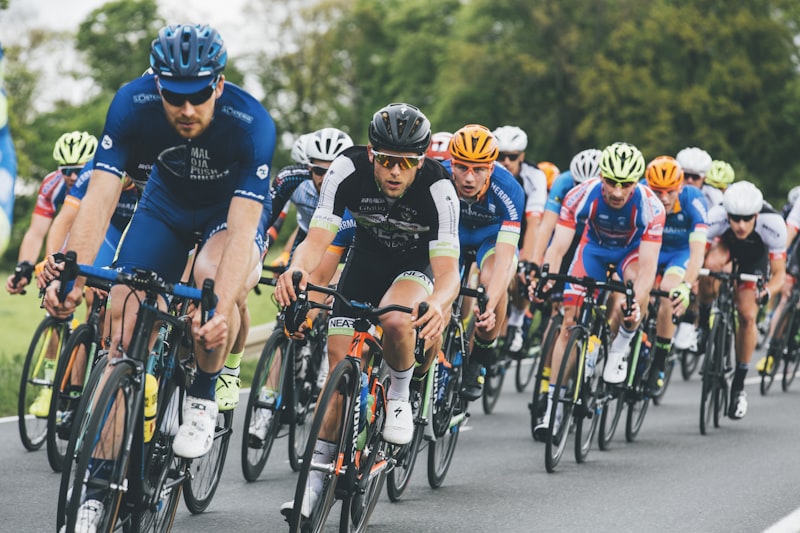
The Tour de France typically passes through the Alps in the third week of July. If you want to watch a live stage from the roadside of Alpe d’Huez or the Col du Galibier, this is your window. The atmosphere is electric. Fans paint the road, cowbells echo off the rock faces, and the whole mountain smells like sunscreen and crêpes.
But riding during this period requires planning. The roads around active Tour stages close to cyclists for 24–48 hours before and after the race. And the general tourist volume in August (particularly the first three weeks, when French and Italian vacations overlap) means more cars on mountain roads, fuller hotels, and higher prices.
The French Alps Tour de France Climbs itinerary builds around this, timing the riding days to avoid closures while still catching a live stage. Eight days, three legendary climbs, and a support van that carries your bags to the next hotel.
August temperatures in the valleys can push 30°C. At altitude, it’s manageable (18–24°C on most cols), but the heat radiating off south-facing switchbacks at 1,200 meters is real. Start early. Be climbing by 7:30 am if you can.
For gravel riding, August is arguably the best month. The high alpine trails and old military roads above 2,000 meters are fully dry, the Roman-era paths in the Engadin are firm, and the longer evenings let you ride until 8 pm without headlamps. The Engadin Valley Gravel Adventure runs 8 nights through this terrain, mixing road and gravel on passes that see maybe a handful of riders a day.
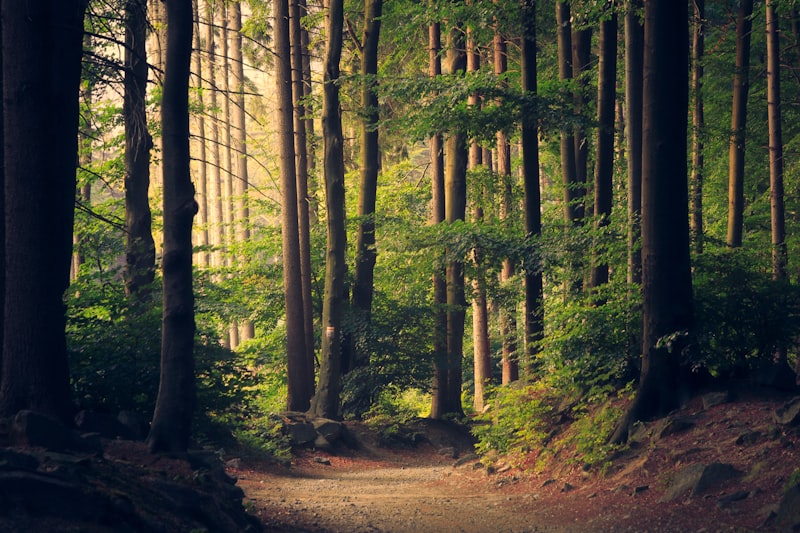
September doesn’t get the attention it deserves. The crowds thin out sharply after the first week. Hotels drop rates. The light turns golden and lower, which (if I’m being honest) makes every photograph look ten times better than anything you’d shoot in July.
Temperatures cool to 12–20°C in the valleys, 8–15°C at altitude. You’ll want arm warmers for descents and an early start means a vest for the first hour. But the climbing effort keeps you warm, and the air is drier than midsummer, with fewer storms.
The Dolomites in September are extraordinary. The larch forests above 1,800 meters begin turning gold by mid-month, and the Sella Ronda circuit is rideable without the motorcycle convoys that clog it in August. The Stelvio typically stays open through the end of October, though the northern approach (from Prato) can close earlier if early snow hits.
One caveat: days shorten noticeably. By late September, you’re losing light by 7 pm. Plan your routes accordingly, and don’t get caught descending a pass in the dark.
Not all Alpine regions peak at the same time. The southern Dolomites warm up faster than the Swiss Engadin. The French Alps hold snow longer on north-facing cols. Here’s a rough guide, built from years of riding these roads.
Region | Earliest reliable start | Peak months | Season end |
|---|---|---|---|
Dolomites, Italy | Late May (lower passes) | June–September | Mid-October |
French Alps | Early June | Late June–August | Late September |
Engadin Valley, Switzerland | Mid-June | July–August | Mid-September |
Austrian Tyrol | Early June | June–September | Early October |
Slovenian Alps | Late May | June–September | Mid-October |
The Dolomites and Slovenian Alps offer the longest windows. The Engadin, sitting higher (base elevations around 1,800 meters), has the shortest but most concentrated season. If you’re flexible on dates, the Dolomites in late June or early September give you the best combination of open roads, good weather, and low traffic.
A 10-day forecast tells you temperature and precipitation probability. It doesn’t tell you that the Passo Giau gets a crosswind above 25 km/h on most July afternoons, or that the south side of the Galibier bakes in the sun while the north side stays 6°C cooler, or that the road surface on the Croix de Fer was repaved last summer and rides like glass.
This is what on-ground guides handle. EuroThrills guides live in the Alps year-round. They adjust the day’s route based on morning conditions, not a plan locked in six months ago. If a storm cell is building over the Sella group at noon, you reroute to a valley road and hit the pass the next morning. If the Galibier is fogged in, you ride the Lautaret instead and save the big climb for Wednesday.
The summer cycling program runs across five regions from May through September, with 7- to 9-night itineraries starting from $8,500 per person. A support van follows every ride. Your luggage meets you at the next hotel. And a pre-trip planning call with the person running your trip covers fitness expectations, gear, and route preferences before you pack a single jersey.
The best month for alpine cycling depends on your priorities, your tolerance for heat and crowds, and which region you’re targeting. Late June through early July offers the widest pass access with the fewest people. August delivers the longest days and the best gravel conditions but brings afternoon storms and tourist traffic. September rewards flexible riders with golden light, empty roads, and cooler temperatures, though shorter days and the possibility of early snow on high passes require more careful planning. Every region has its own rhythm, and a guide who rides these roads year-round reads that rhythm better than any app or almanac.
See how the planning process works, from inquiry to summit.
 Powered by TypeHero
Guided by instructors who wrote the Field Guide — and at destinations they chose.