At a Glance Open dates depend on altitude: under 1,500m opens late April; 1,500–2,000m late May; over 2,000m mid–late June, often closing mid-September. May–early June: quieter roads; Alpe d’Huez and Croix de Fer often rideable. Late June–July: all big passes open, best weather, biggest crowds. August: hot valleys, good high-altitude riding; storms possible. September: cooler, […]
Open dates depend on altitude: under 1,500m opens late April; 1,500–2,000m late May; over 2,000m mid–late June, often closing mid-September.
May–early June: quieter roads; Alpe d’Huez and Croix de Fer often rideable.
Late June–July: all big passes open, best weather, biggest crowds.
August: hot valleys, good high-altitude riding; storms possible.
September: cooler, empty roads, but shorter days and sudden closures.
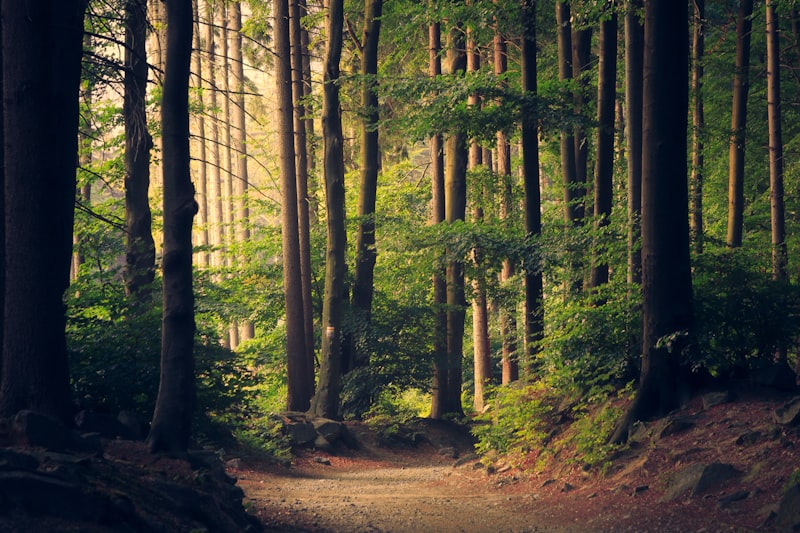
The Col du Galibier sits at 2,642 meters. In early June, there’s a real chance the summit road is still closed under snow. By late July, the same switchbacks carry 200 professional riders and a helicopter overhead. And by mid-September, you might have the whole descent to yourself, with nothing but cowbells and cold air for company. Knowing the top climbs in Tour de France by month isn’t trivia. It’s the difference between a ride you’ll remember and a rental car detour back to the valley.
The French Alps and Pyrenees host cycling routes in France that draw tens of thousands of riders each summer. But the window for each climb varies, sometimes by weeks, depending on altitude, snowmelt, and road-opening schedules. This is a month-by-month breakdown of when the famous climbs in Tour de France history actually become rideable, when they’re at their best, and when you’re better off picking a different col.
The popular climbs Tour de France uses fall into roughly three altitude bands, and each band opens on a different schedule. Cols below 1,500 meters (Tourmalet’s lower slopes, the Col d’Aubisque approach) are typically clear by late April. Mid-altitude passes between 1,500 and 2,000 meters, like the Col de la Madeleine, open reliably in late May or early June. The high passes above 2,000 meters, the Galibier, the Col de l’Iseran at 2,770 meters, the Col du Granon, don’t open until mid-June in a normal snow year. Some years, not until late June.
This means your month dictates your route. Not the other way around.
Altitude Band | Typical Opening | Example Climbs | Closing |
|---|---|---|---|
Below 1,500m | Late April | Col d’Aubisque (approach), Hautacam | Late October |
1,500–2,000m | Late May | Col de la Madeleine, Alpe d’Huez | Early October |
Above 2,000m | Mid-to-late June | Col du Galibier, Col de l’Iseran | Mid-September |
Snow years vary. The French road authority, France Routes, publishes col opening dates, and checking them two weeks before your trip is non-negotiable.
May is underrated. The weather in the valleys is warm (18–22°C in Bourg-d’Oisans by late May), the roads are empty, and the mid-altitude cycling climbs France is known for are open and quiet. You won’t get the Galibier yet. But you’ll get plenty.
The 21 hairpins of Alpe d’Huez, with their summit at 1,860 meters, are usually rideable by late May. The climb is 13.8 km at an average gradient of 8.1%, and in May you’ll share it with maybe a handful of other cyclists rather than the hundreds who crowd it in July. The temperature at the top sits around 10–12°C in late May, so pack a wind layer for the descent.
At 2,067 meters, the Col de la Croix de Fer typically opens in the last week of May or first week of June. The north side from Saint-Jean-de-Maurienne is 29 km long, a slow grind that rewards patience. I’d argue this is one of the best climbs in Tour de France history that most Americans haven’t heard of. The south side drops into the Romanche valley and connects to Alpe d’Huez, which means you can link two iconic Tour de France climbs in a single day if your legs agree.
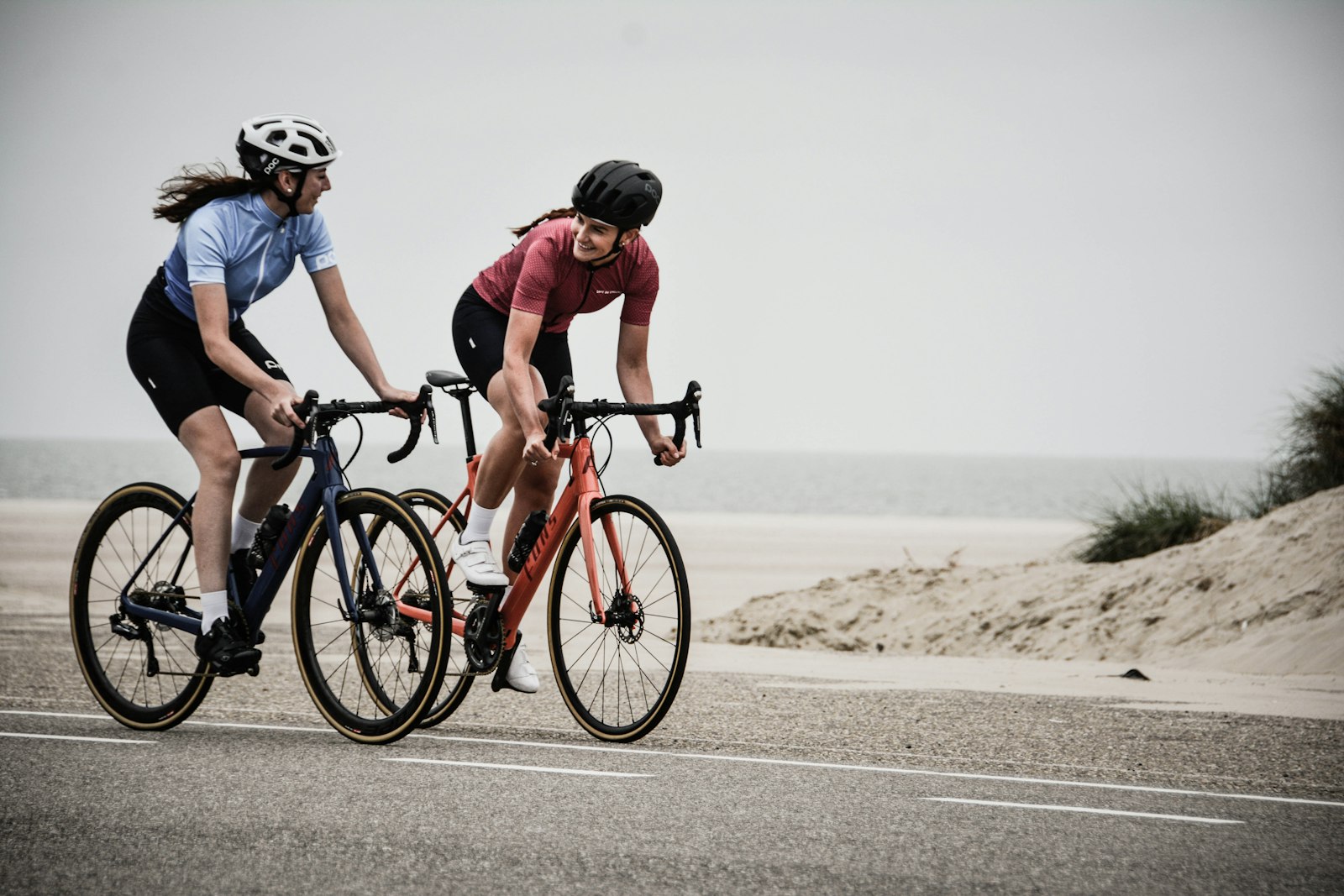
If you’re riding in early June, the French Alps Tour de France Climbs itinerary covers Alpe d’Huez, the Galibier, and the Croix de Fer across eight days, with a support van on every stage.
This is peak season. Every high pass is open. The days are long (sunrise before 6am, sunset after 9:30pm in late June), and temperatures at altitude hover between 12–18°C. The trade-off: you’re not alone.
The Galibier opens around mid-June, weather permitting. At 2,642 meters, it’s the highest paved pass regularly used in the Tour. The north approach from Saint-Michel-de-Maurienne climbs 35 km with 2,120 meters of elevation gain. The air is thin at the top. You’ll feel it.
July brings the Tour de France itself, and the mountain stages Tour de France showcases on television are the same roads you’ll be riding. If you time it right (and the official Tour de France site publishes stage routes months in advance), you can ride a col in the morning and watch the peloton come through in the afternoon.
Over in the Pyrenees, the Col du Tourmalet at 2,115 meters is usually open by early June, but July is when conditions are most reliable. The east side from Sainte-Marie-de-Campan is 17.1 km at 7.4% average. The west side from Luz-Saint-Sauveur is steeper, shorter, and honestly more interesting, with tighter switchbacks and better views of the Pic du Midi observatory.
July is also when the mountain stages Tour de France routes through the Pyrenees tend to fall. The roads close to traffic on race day, so check the stage calendar before booking.
The two weeks before and after the Tour’s passage through a given col are the busiest. If you want the iconic climbs without the carnival atmosphere, target the last week of June or the first week of September. Honestly, I think late June is the sweet spot for most riders.
August is hot in the valleys. Bourg-d’Oisans can hit 35°C, and the climb to Alpe d’Huez in full afternoon sun is a different animal than the same road in June. Start early. By 6:30am if you can manage it.
The upside: every pass is open, the days are still long, and the Tour crowds have moved on. August is when the summer cycling season in the Alps hits its stride for recreational riders.
The highest paved pass in the Alps at 2,770 meters. It’s cold at the top even in August (expect 5–8°C), and afternoon thunderstorms roll in fast above 2,000 meters. The south approach from Val-d’Isère is 14.5 km. The north side from Bonneval-sur-Arc is longer, more remote, and far quieter.
This is a complete list of Tour de France climbs that most bucket-list riders skip because of the altitude. That’s a mistake. The Iseran is raw, exposed, and (if I’m being honest) more impressive than the Galibier.
August is the month for multi-col days. The roads connecting the Maurienne and Tarentaise valleys let you chain the Galibier, the Télégraphe, and the Croix de Fer in a single loop of roughly 140 km. That’s a long day. But the light lasts until nearly 9pm, and a support van carrying your gear and a cooler of water changes the equation entirely.

September is the month that experienced riders know about. The passes above 2,000 meters start closing in the second or third week, so the window is narrow. But the weather can be extraordinary: stable high pressure, cool mornings (8–12°C in the valleys), warm afternoons, and almost no one on the road.
The Col du Galibier typically closes around September 15–20. Alpe d’Huez stays open into early October. The Pyrenean cols (Tourmalet, Aubisque) are usually rideable through the end of September.
Quiet roads. Cooler temperatures for climbing. Autumn light that turns the larch forests gold above 1,800 meters. The cycling routes in France that feel overcrowded in July become personal in September.
Daylight. Sunset drops to around 7:30pm by mid-September, which cuts your riding window by two hours compared to July. And if a cold front moves in, the high passes can close with 48 hours’ notice. Flexibility matters.
For riders planning a September trip, the pre-trip planning call with your on-ground guide covers exactly this: which cols are confirmed open, which are marginal, and what the backup routes look like.
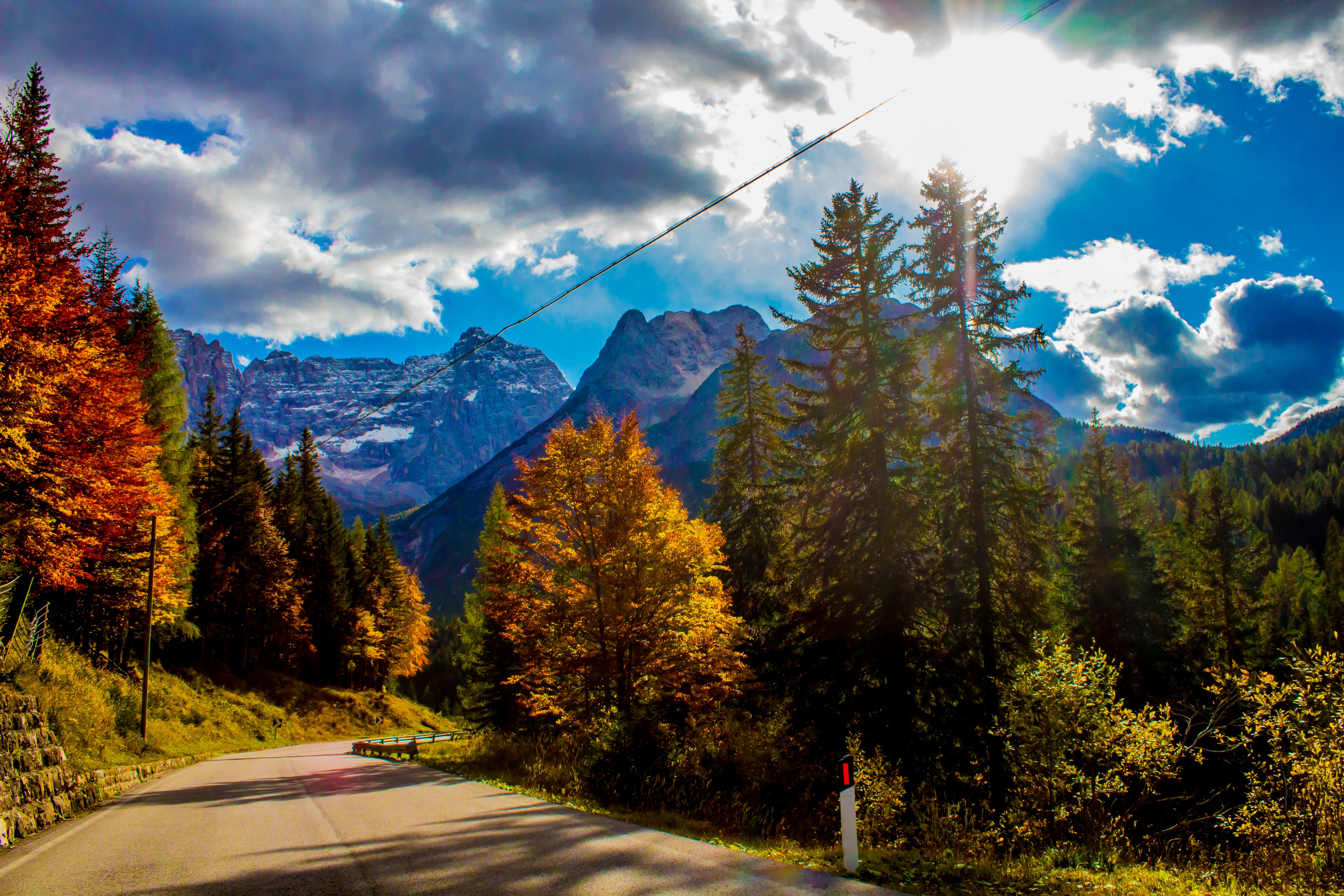
This table covers the best months to climb Tour de France hills based on typical road openings and conditions. Your mileage may vary (literally) depending on the snow year.
Climb | Altitude | Typical Open | Peak Month | Closes |
|---|---|---|---|---|
Alpe d’Huez | 1,860m | Late May | June–July | Early October |
Col de la Croix de Fer | 2,067m | Late May/early June | June–August | Late September |
Col du Galibier | 2,642m | Mid-June | July | Mid-September |
Col de l’Iseran | 2,770m | Mid-June | July–August | Mid-September |
Col du Tourmalet | 2,115m | Early June | July | Late September |
Col d’Aubisque | 1,709m | Late May | June–August | Late October |
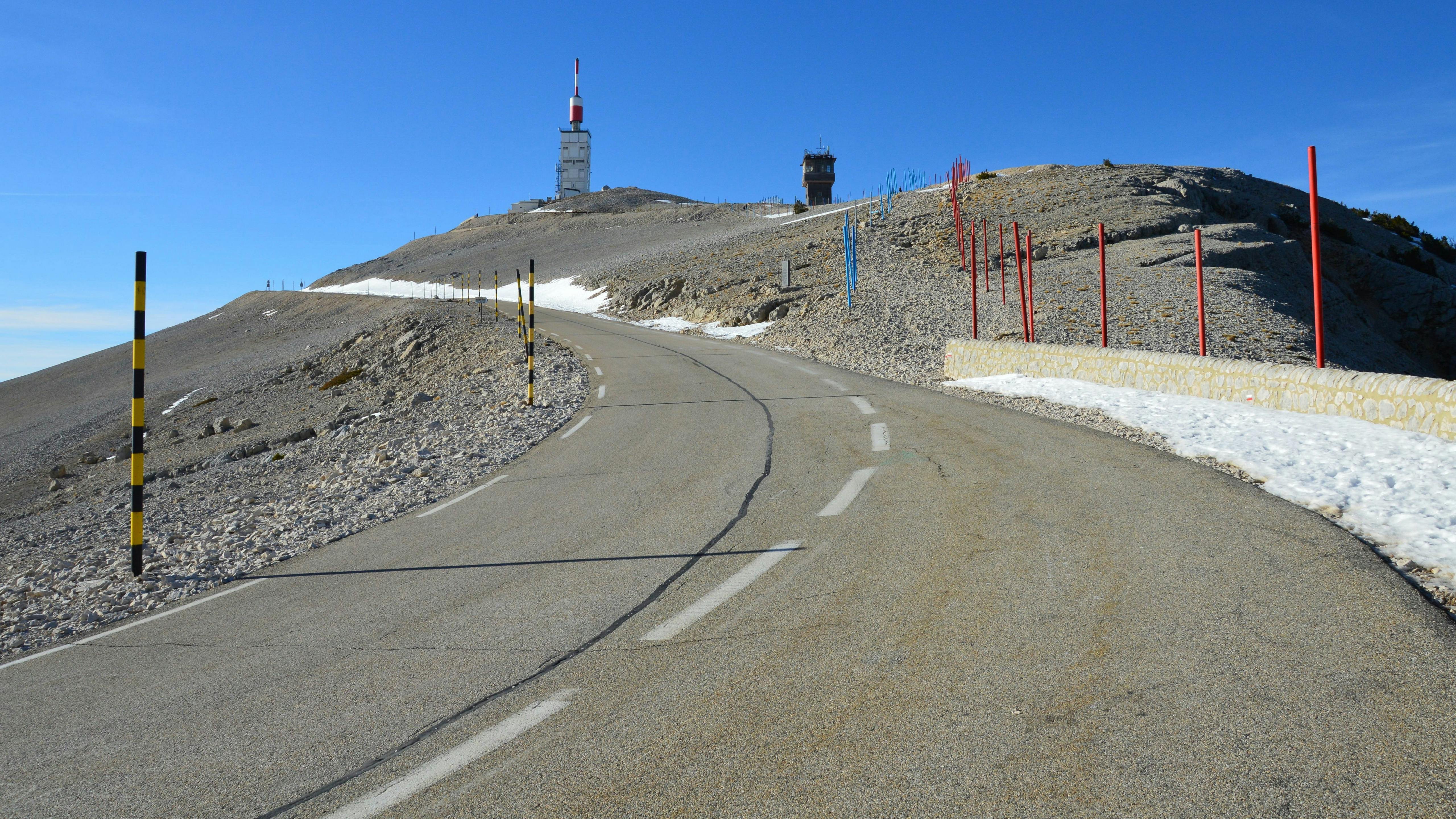
Mont Ventoux | 1,909m | Year-round (lower) | June–September | Summit road: Nov |
Mont Ventoux is the outlier. The lower slopes are accessible year-round, but the exposed summit above Chalet Reynard (the last 6 km) can be closed by wind or ice from November through April.
Knowing which month is best for each col is half the equation. The other half is how to prepare for Tour de France climbs in practical terms.
Above 2,000 meters, the air holds roughly 20% less oxygen than at sea level. If you’re flying in from the U.S. and riding the Galibier on day two, you’ll feel it in your lungs and your legs. Spend at least one day riding below 1,500 meters before attempting a high pass.
The descents on popular climbs Tour de France uses are technical. The north side of the Galibier has tight, unprotected hairpins. The descent from Alpe d’Huez into the Romanche gorge drops 1,100 meters in 13.8 km. Wet roads after an afternoon storm change everything. Disc brakes help. Experience helps more.
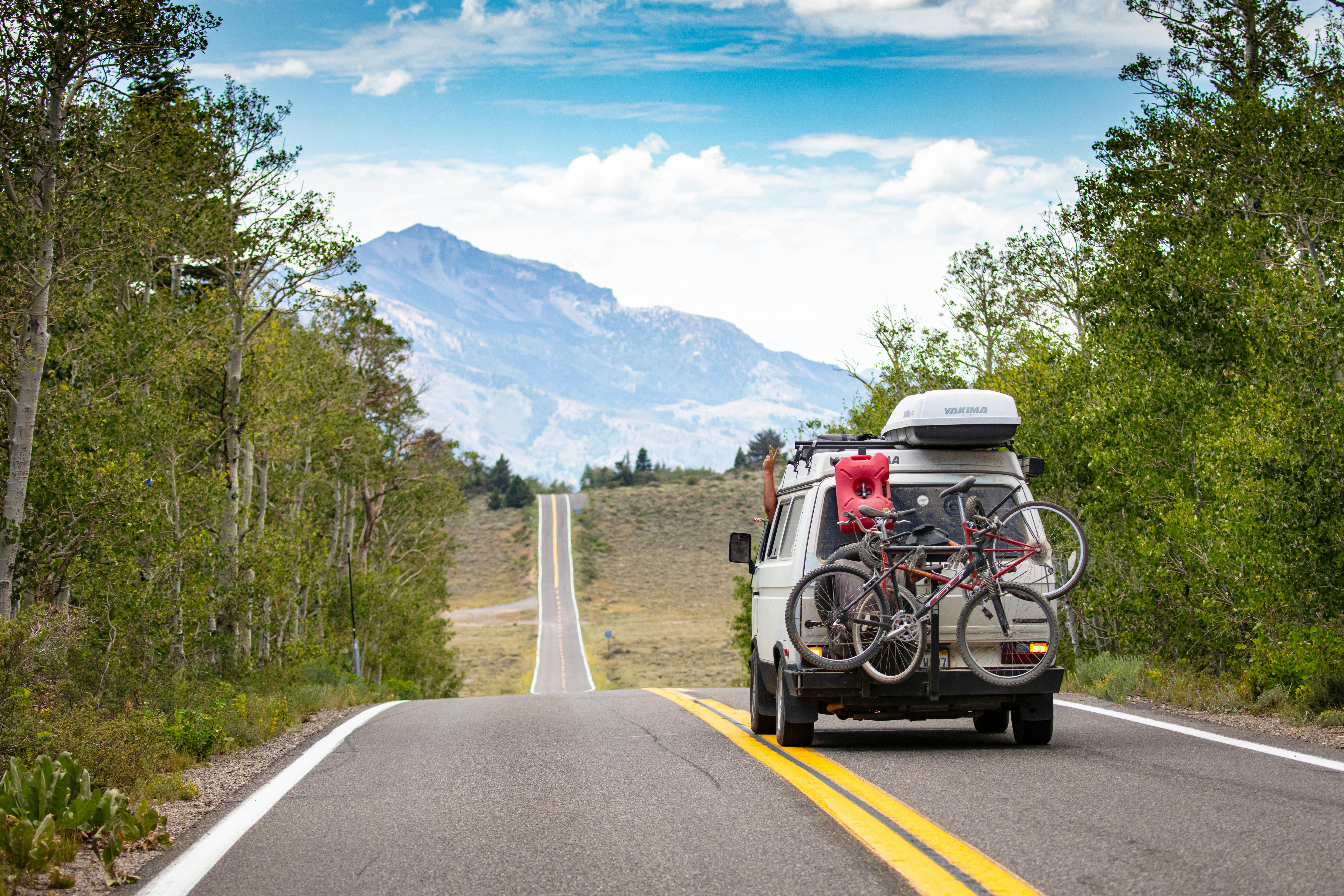
A support van that follows your group carries water, spares, and (this is the part people underestimate) the option to stop. Any climb can become a coffee stop. The French Alps itinerary includes daily van support, luggage transfers, and a named guide who’s ridden these roads for years. That’s not a luxury detail. It’s what lets you attempt the Galibier knowing there’s a plan B.
The best climbs in Tour de France history don’t change year to year. The Galibier is always the Galibier. But conditions shift by the week, and the difference between a guide who checked the road yesterday and a GPX file downloaded last winter is the difference between a good trip and a wasted one.
We run guided cycling trips across the French Alps from May through September, covering Alpe d’Huez, the Col du Galibier, and the Col de la Croix de Fer in eight days. Small groups. Named guide. Support van every day. The guide knows which col opened this morning and which bakery in Valloire has the best tarte aux myrtilles. Both matter.
June through early September covers every major Tour de France climb. Late June gives you open high passes and pre-Tour quiet. July delivers the longest days and the chance to watch a live stage. August is hot in the valleys but perfect at altitude if you start early. September is the connoisseur’s month, narrow and weather-dependent, but the roads belong to you.
Pick your month by the col you most want to ride. Check the road-opening dates two weeks out. And bring a wind layer for the summit, no matter when you go. The temperature drops roughly 6.5°C for every 1,000 meters of altitude gained. At the top of the Galibier in July, that means 10°C on a good day.
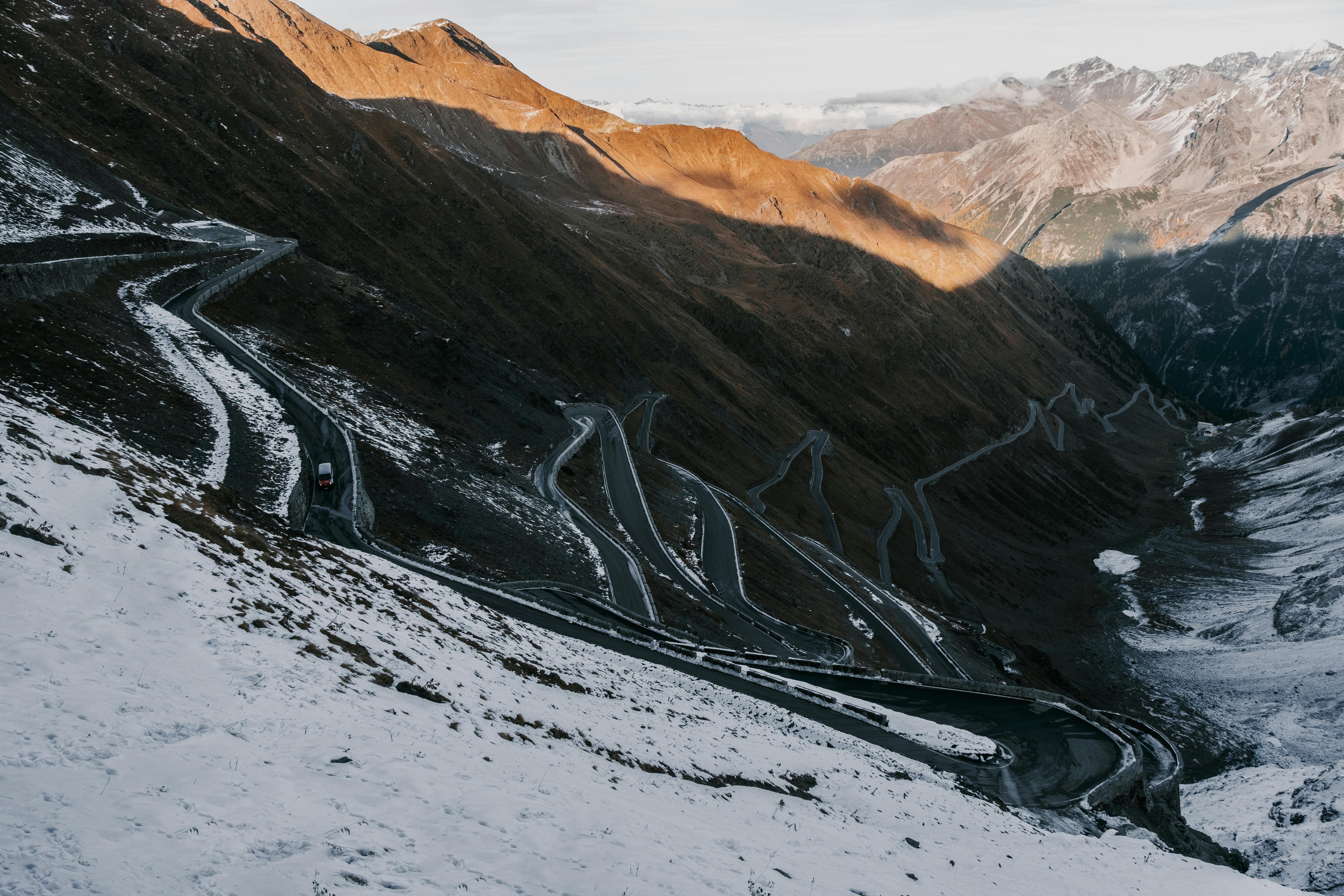
The top climbs in the Tour de France vary by month due to altitude and weather conditions. Cols below 1,500 meters typically open by late April, while those above 2,000 meters, like Col du Galibier, open in mid-June. The choice of route depends on the month.
Late June to early September is ideal for climbing famous Tour de France routes. During this period, all high passes are open, and the weather is favorable. July offers the longest days and the opportunity to witness a live stage of the Tour.
Preparation for Tour de France climbs involves acclimating to altitude, planning logistics, and understanding technical descents. Spend a day riding at lower altitudes before tackling high passes, and consider having support for water and gear.
The best months to climb Tour de France hills are June through September. Each month offers unique advantages: June has quieter roads, July provides long daylight hours, August is great for high-altitude rides, and September offers cooler temperatures and fewer crowds.
Altitude impacts oxygen levels, making climbs above 2,000 meters more challenging. Weather varies by month; snow can affect road openings in early summer, while thunderstorms are common in August. Checking conditions before your trip is crucial.
 Powered by TypeHero
Guided by instructors who wrote the Field Guide — and at destinations they chose.