The Passo Gardena sits at 2,121 meters. The valley floor in Corvara might be 22°C at 9am. By the time you crest the top, it’s 8°C with a wind that makes your eyes water. That temperature swing, sometimes within a single 90-minute climb, is the defining challenge of packing for a week-long Dolomites cycling trip. […]
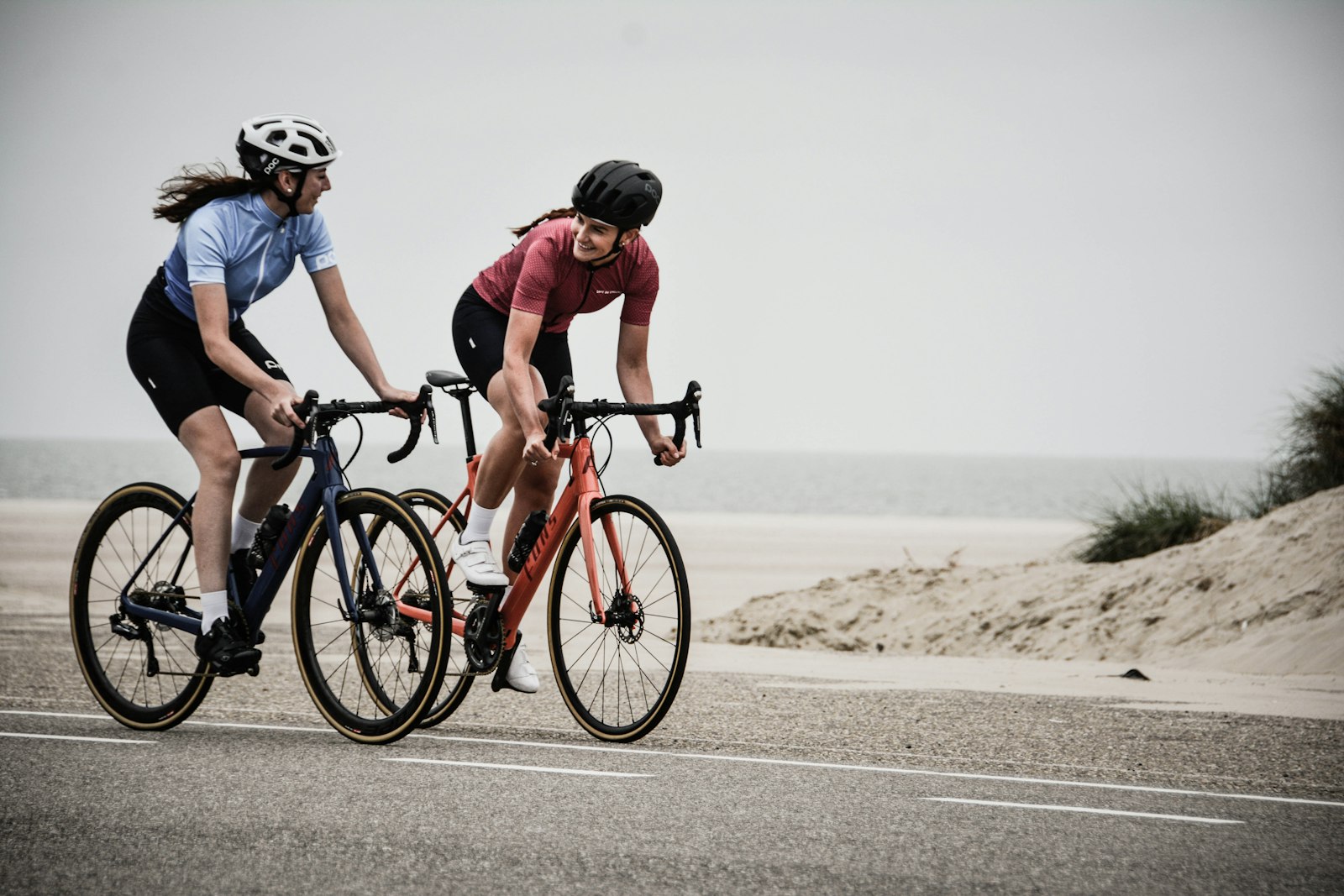
The Passo Gardena sits at 2,121 meters. The valley floor in Corvara might be 22°C at 9am. By the time you crest the top, it’s 8°C with a wind that makes your eyes water. That temperature swing, sometimes within a single 90-minute climb, is the defining challenge of packing for a week-long Dolomites cycling trip. Get the layers wrong and you’ll spend six days either sweating through descents or shivering through them.
This is the packing list we’d hand you before a week riding the Sella Ronda, the Falzarego, and the roads connecting them. It’s built for the specific conditions of the Italian Dolomites between June and September, not a generic “road cycling trip” list you’d find on a gear blog. Some of this might seem obvious. Some of it won’t.
The Dolomites demand a layering system, not a suitcase full of options. Temperatures at altitude can drop 10–15°C compared to the valley, and afternoon thunderstorms roll in fast between July and August. You need to handle sun, cold, rain, and wind, sometimes in the same ride.
Here’s what to pack, and what to leave home.
Item | Quantity | Notes |
|---|---|---|
Short-sleeve jersey | 3 | Merino blend dries faster than pure synthetic at altitude |
Bib shorts | 3 | Chamois quality matters more than brand on day five |
Lightweight gilet (packable) | 1 | Non-negotiable for descents off any pass above 1,800m |
Arm warmers | 1 pair | More useful than a long-sleeve jersey for Dolomites riding |
Knee warmers | 1 pair | Early mornings in June and September |
Packable rain jacket | 1 | Gore-Tex Shakedry or similar, under 120g |
Lightweight long-sleeve base layer | 1 | For cold mornings or post-rain riding |
Skip the heavy rain jacket. If a proper storm hits, you’re getting in the support van. The packable shell is for the 15-minute shower that catches you on the Passo Pordoi, not for riding through a downpour.
And the gilet: I think this is the single most important item on the list. A 7-minute descent off the Gardena at 50+ km/h in just a jersey will chill you to the bone, even in July. Stuff it in a back pocket at the base. Pull it on at the top. Takes ten seconds.
These are the details most people get wrong. Your core stays warm from effort. Your extremities don’t.
Shoes: bring one pair of road cycling shoes. Stiff carbon sole, good ventilation. If you’re riding the Dolomites Road Cycling Classic, you’ll be clipping in and out at coffee stops in small mountain villages, so walkability on the cleat matters more than you’d think. Recessed-cleat shoes (SPD-compatible) are fine if that’s your setup.
Socks: 4 pairs, thin merino or merino blend. They regulate temperature better than synthetic above 1,500m and don’t smell as bad by Wednesday.
Lightweight full-finger gloves: 1 pair. For descents and cold mornings.
Short-finger gloves: 1 pair. Most riding days.
Helmet: yours, fitted. Don’t borrow one.
Cycling cap: fits under the helmet, keeps sun and light rain off your face.
Sunglasses: photochromic lenses if you have them. You’ll ride from bright valley sun into shaded switchbacks constantly.
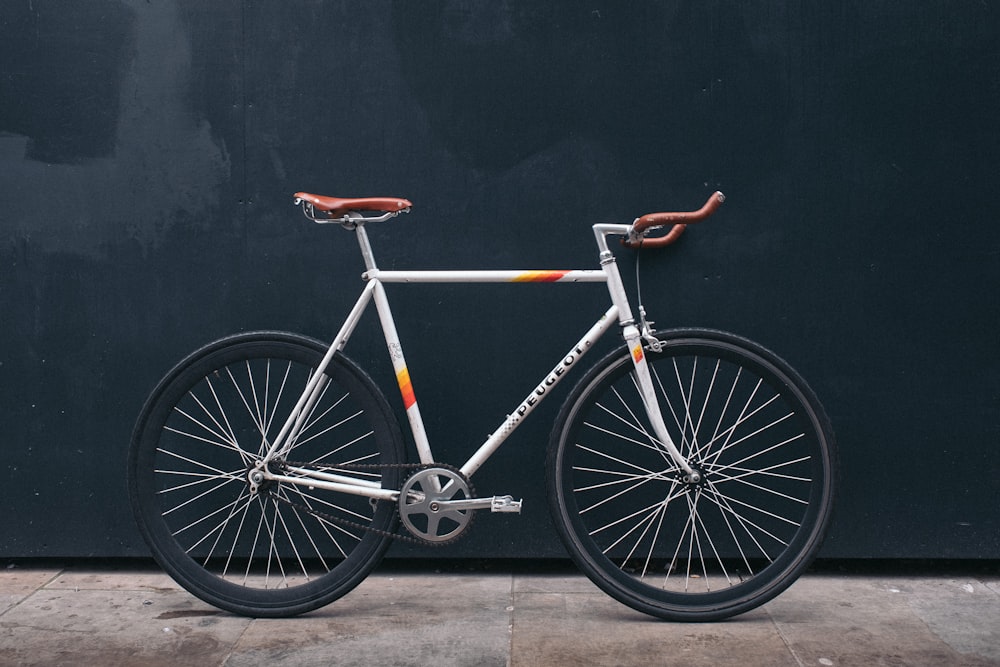
On a supported trip, the guide and van carry the heavy mechanical kit. But you still need a saddle bag with the basics, because the support van might be two switchbacks behind you when you flat on a quiet stretch above Arabba.
Pack in your saddle bag:
2 inner tubes (correct valve length for your rims, check before you leave home)
Tire levers, 2
CO2 inflator with 2 cartridges, or a mini pump
Multi-tool with chain breaker
Quick-link for your chain
Small patch kit as backup
If you’re riding your own bike, get a full service done at least two weeks before departure. New cables, fresh bar tape, brake pads checked. The Dolomites punish neglected brakes on 8% descents with tight hairpins.
Bringing a bike case? Most airlines charge $75–$150 each way for oversized luggage. Measure your box against your airline’s dimensions before booking. And deflate your tires to about 60 PSI for the flight, not fully flat, which risks pinching the tube against the rim.
Keep it minimal. You don’t need five gadgets.
Item | Why |
|---|---|
Cycling computer (GPS) | GPX files for each day’s route. Wahoo or Garmin. |
Phone | Photos, emergency contact, WhatsApp group with your guide |
Charging cables + small power bank | Hotels charge overnight, but a power bank covers café stops |
European plug adapter (Type C/L for Italy) | One adapter, maybe two if you’re charging a computer and phone simultaneously |
Leave the laptop. Honestly. If you’re spending a week riding passes like the Falzarego (2,105m) and the Campolongo (1,875m), you don’t need to check email at dinner. The Wi-Fi in most Dolomites hotels is adequate for a quick message. That’s enough.

You’re spending seven nights in character hotels, not hostels. Dinner is often a proper sit-down affair with local wine, polenta, and venison. You don’t need a blazer, but you do need something that isn’t cycling kit.
Casual pants or chinos, 1 pair
Collared shirt or clean T-shirt, 2
Light sweater or fleece (doubles as evening and early-morning warmth)
Comfortable walking shoes, 1 pair (something you’d wear to a good restaurant in a mountain town)
Swimsuit (some hotels have small pools or wellness areas)
Sandals or slides for the hotel
Toiletries: sunscreen (SPF 50, altitude UV is aggressive), lip balm with SPF, chamois cream (you’ll use more than you think by day four), ibuprofen, any personal medications. A small first-aid kit with adhesive bandages and antiseptic wipes.
Your luggage moves by van each day on a guided cycling trip through the Alps, so you don’t carry it on the bike. Pack a medium duffel or soft-sided bag, not a hard suitcase. It loads and unloads from the van faster and fits in hotel rooms that were built in the 1800s.
The Dolomites have rifugios (mountain huts) and cafés on most major passes, so you’re not riding through wilderness. But the gaps between stops can be 25–40 km on some stages, and climbing at altitude dehydrates you faster than you’d expect.
Carry two bottles. Fill both at the start. Refill at every opportunity.
For on-bike fuel:
Energy gels or chews, 3–4 per ride day
A couple of bars (real food bars, not candy)
Electrolyte tabs or powder for your bottles
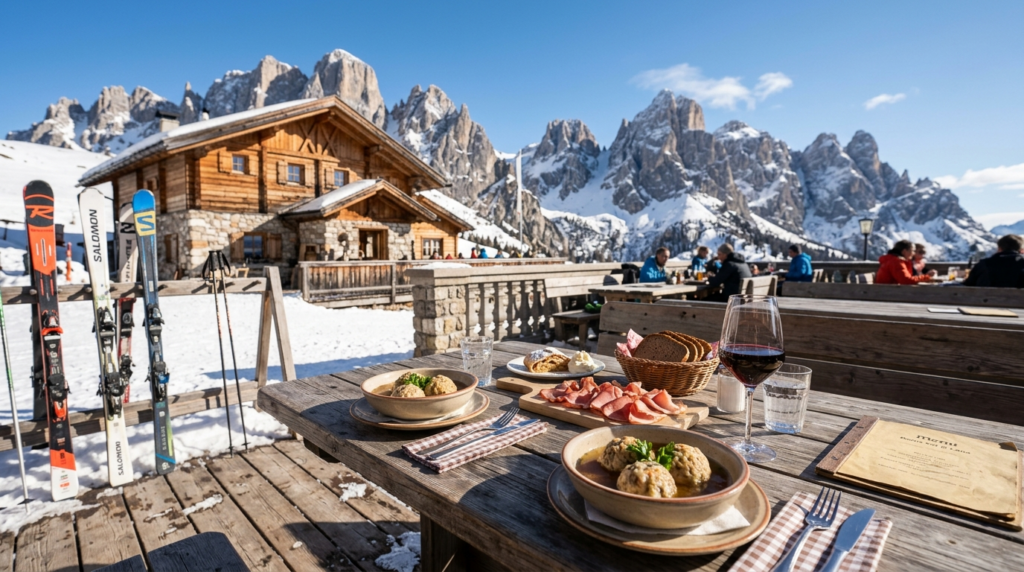
The rifugio at the top of the Gardena serves espresso and apple strudel. That’s a legitimate mid-ride fuel stop. I’m not being flippant. The sugar and caffeine at 2,100 meters after a 45-minute climb is exactly what your body wants. The tradition of eating well mid-activity in the Alps applies to cycling as much as skiing.
This list matters as much as the other one.
Extra cycling shoes: one pair is enough for seven days.
Full rain suit: too heavy, too hot. The packable shell covers 95% of situations.
Casual clothing for every night: you’ll rewear the same two shirts. Nobody cares.
A second helmet: unless yours is damaged, one is plenty.
Books or heavy entertainment: your legs will be tired enough that sleep comes easy. Your phone handles the rest.
Excessive tools: the support van carries a full workshop. Your saddle bag covers roadside emergencies.
The goal is a bag that weighs under 15 kg total, including cycling kit and off-bike clothes. If it’s heavier than that, you’ve packed too much. I could be wrong about this, but in five years of watching people unpack at Dolomites hotels, the ones with the smallest bags always look the most relaxed.
The Dolomites riding season runs roughly June through September. What you pack shifts depending on when you go.
Month | Key Adjustment |
|---|---|
June | Knee warmers and long-sleeve base layer used most days. Some high passes (Stelvio, Gavia) may still have snow walls. Morning temps in valleys around 14–16°C. |
July | Peak warmth, but afternoon storms are common. Rain jacket used 2–3 times per week on average. |
August | Similar to July but slightly drier in the eastern Dolomites. Busiest month on the roads. |
September | Noticeably cooler. Arm warmers and gilet used daily. Fewer tourists. Golden light on the rock faces in late afternoon. |
If you’re riding in September, add a lightweight thermal jersey to the list. The Dolomites Road Cycling Classic runs across the heart of the season, and your pre-trip planning call covers exactly which layers to prioritize for your specific departure dates.
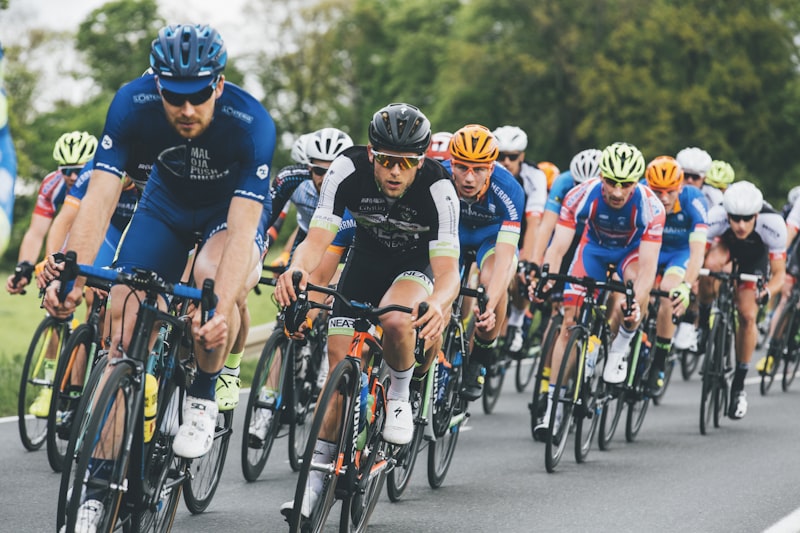
Seven days of Dolomites cycling, across passes ranging from 1,875m to 2,239m, in temperatures that swing 15 degrees within a single ride. The list above covers every condition you’ll face without burdening you with gear you won’t touch. Layer smart, pack light, trust the support van for the heavy stuff. Your saddle bag handles the roadside flat. The rifugio handles lunch. And the hotel (a proper one, chosen for character and comfort) handles everything else. What you carry on the bike should weigh almost nothing. What you carry in your bag should fit in a duffel.
 Powered by TypeHero
Guided by instructors who wrote the Field Guide — and at destinations they chose.