At a Glance Alpine cycling is about earning big views through real climbing, not quick photo stops. Three tour styles: Dolomites road passes, French Alps Tour de France climbs, and quiet Engadin mixed-surface routes. Daily rides vary by trip: moderate to advanced, with support vans, luggage transfer, and optional shorter routes. Best timing shifts: May–June […]
Alpine cycling is about earning big views through real climbing, not quick photo stops.
Three tour styles: Dolomites road passes, French Alps Tour de France climbs, and quiet Engadin mixed-surface routes.
Daily rides vary by trip: moderate to advanced, with support vans, luggage transfer, and optional shorter routes.
Best timing shifts: May–June solitude, July busiest, August–September steadier weather and fewer crowds.
The Passo Gardena at 8am, before the tour buses arrive, is just you and the road and a silence so complete you can hear your tires on fresh tarmac. Cycling with scenic views in the European Alps isn’t about collecting pretty backdrops. It’s about the physical contract between effort and reward: you earn every panorama with your legs, and the Alps pay interest. EuroThrills runs road and gravel cycling tours across five Alpine regions between May and September, each one designed around routes where the scenery isn’t incidental to the ride. It is the ride.
The thing about cycling here, versus watching highlight reels on YouTube, is the scale. A photograph flattens a 2,000-meter pass into a rectangle. On a bike, you feel the temperature drop 6°C over 14 kilometers of climbing. You smell pine resin and wet rock. That’s the difference.
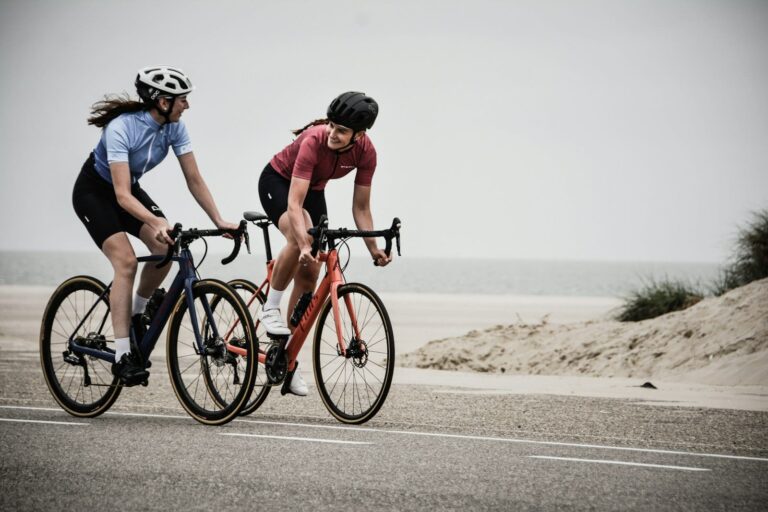
The Dolomites Road Cycling Classic is a 7-night itinerary through northeastern Italy that covers the Sella Ronda, Passo Gardena, and the Falzarego, three passes that sit between 1,800 and 2,100 meters. At intermediate pace, most riders complete each day’s route in 4 to 6 hours of saddle time, with the support van trailing behind carrying luggage, spare wheels, and (honestly, the most important cargo) cold water.
What makes the Dolomites different from, say, the French Alps is the rock. The pale limestone towers catch morning light in a way that shifts from pink to gold to white over maybe forty minutes. You notice this because you’re climbing slowly enough to watch it happen.
The route moves between character hotels, never chains. Your luggage meets you at the next property. I’d skip trying to plan this independently. The roads are well-signed, but knowing which hairpin has loose gravel after spring melt, or which restaurant halfway up the Gardena serves proper canederli, is the kind of local knowledge that EuroThrills’ on-ground guides carry from years of living here.
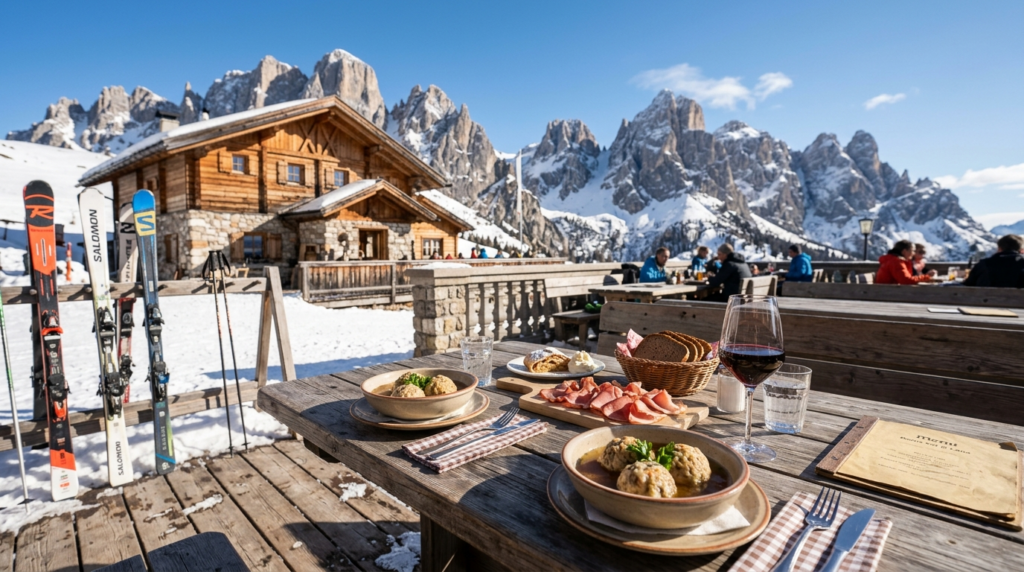
The daily distances range from 60 to 110 kilometers with elevation gains between 1,200 and 2,400 meters. Every climb has an optional shorter alternative. Nobody gets dropped. That’s not a slogan. It’s a structural feature of how the days are built.
The French Alps itinerary is 8 nights and includes Alpe d’Huez, Col du Galibier (2,642 meters), and Col de la Croix de Fer. These are the roads you’ve watched on Eurosport. The 21 hairpins of Alpe d’Huez are numbered in reverse, counting down as you climb, which is either motivating or cruel depending on your legs that day.
The scenery here is bigger and wilder than the Dolomites. Less manicured. The Galibier’s upper reaches are treeless and exposed, and on a clear July morning the views extend 80 kilometers south toward the Écrins massif. The air is thin at 2,600 meters. You’ll feel it.
EuroThrills times one departure to coincide with a live Tour de France stage, which means you can ride a legendary climb in the morning and watch the professionals race it (or a nearby route) in the afternoon. The guide leading this trip holds French National Ski School certification in winter and cycles these roads all summer. That dual-season presence matters. It means the same person who recommends a descent line in January knows which café in Bourg-d’Oisans pulls the best espresso in July.
Groups are 12 to 20 riders. The pre-trip planning call, conducted over Zoom with the actual guide, covers fitness level, bike setup, and personal goals. If your goal is to finish Alpe d’Huez without stopping, they’ll tell you honestly whether your current training supports that, and what to adjust in the weeks before departure.
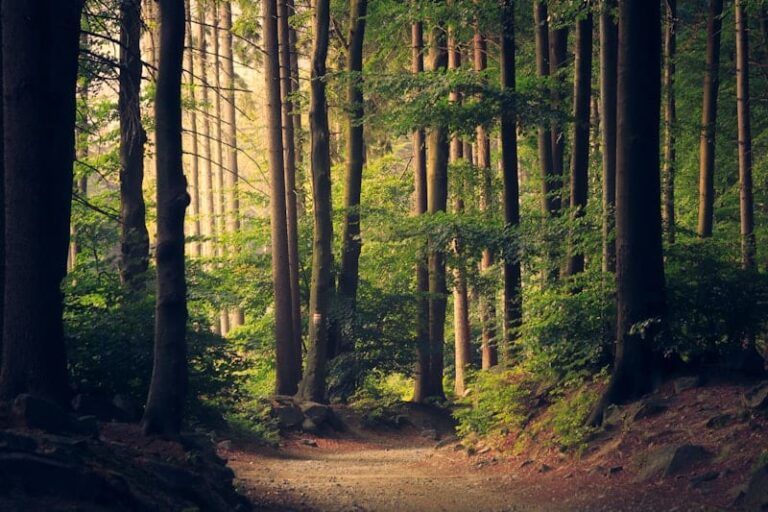
The Engadin Valley Gravel Adventure is the quietest option, and if I’m being picky, maybe the most underrated. It’s 8 nights in southeastern Switzerland, mixing road and gravel surfaces across high alpine passes with minimal traffic. Some of these paths date back to Roman times. You’re riding on routes that have been in continuous use for two millennia.
The elevation sits between 1,700 and 2,300 meters for most of the itinerary. The air is dry and cool even in August, when valley temperatures rarely exceed 22°C. The light up here has a particular clarity, almost crystalline, that photographers and painters have been chasing since the 19th century.
Route | Surface | Distance (km) | Elevation Gain (m) | Intensity |
|---|---|---|---|---|
Dolomites Classic | Road | 60–110/day | 1,200–2,400/day | Intermediate |
French Alps TdF | Road | 70–120/day | 1,500–2,800/day | Advanced |
Engadin Gravel | Mixed | 50–90/day | 900–1,800/day | Moderate |
The Engadin trip is categorized as moderate intensity. It’s the one EuroThrills recommends for riders who want long evenings, longer wine lists, and a pace that leaves room for stopping to photograph a 14th-century stone bridge without feeling like you’re holding anyone up.
Timing changes everything. The same pass in late May and late August looks like two different places.
Late May to mid-June is when the high passes first open after winter. Snow still lines the road edges above 2,000 meters. Wildflowers carpet the lower meadows. Temperatures at altitude sit around 8–14°C. The roads are empty. This is the window for riders who want solitude and don’t mind adding an arm warmer for descents.
July brings the Tour de France, warmer temperatures (15–22°C at altitude), and longer days with rideable light until nearly 9pm. It’s the most popular month. Book early.
August and early September offer the most stable weather and the warmest climbing conditions. The light turns golden earlier in the afternoon. By September, the larch trees in the Engadin begin shifting to amber, and the tourist crowds thin out noticeably.
EuroThrills runs 7 to 9 night departures from May through September, with pricing starting at $8,500 per person. The cycling season aligns with the period when Alpine roads are fully clear of snow and maintained for safe passage.
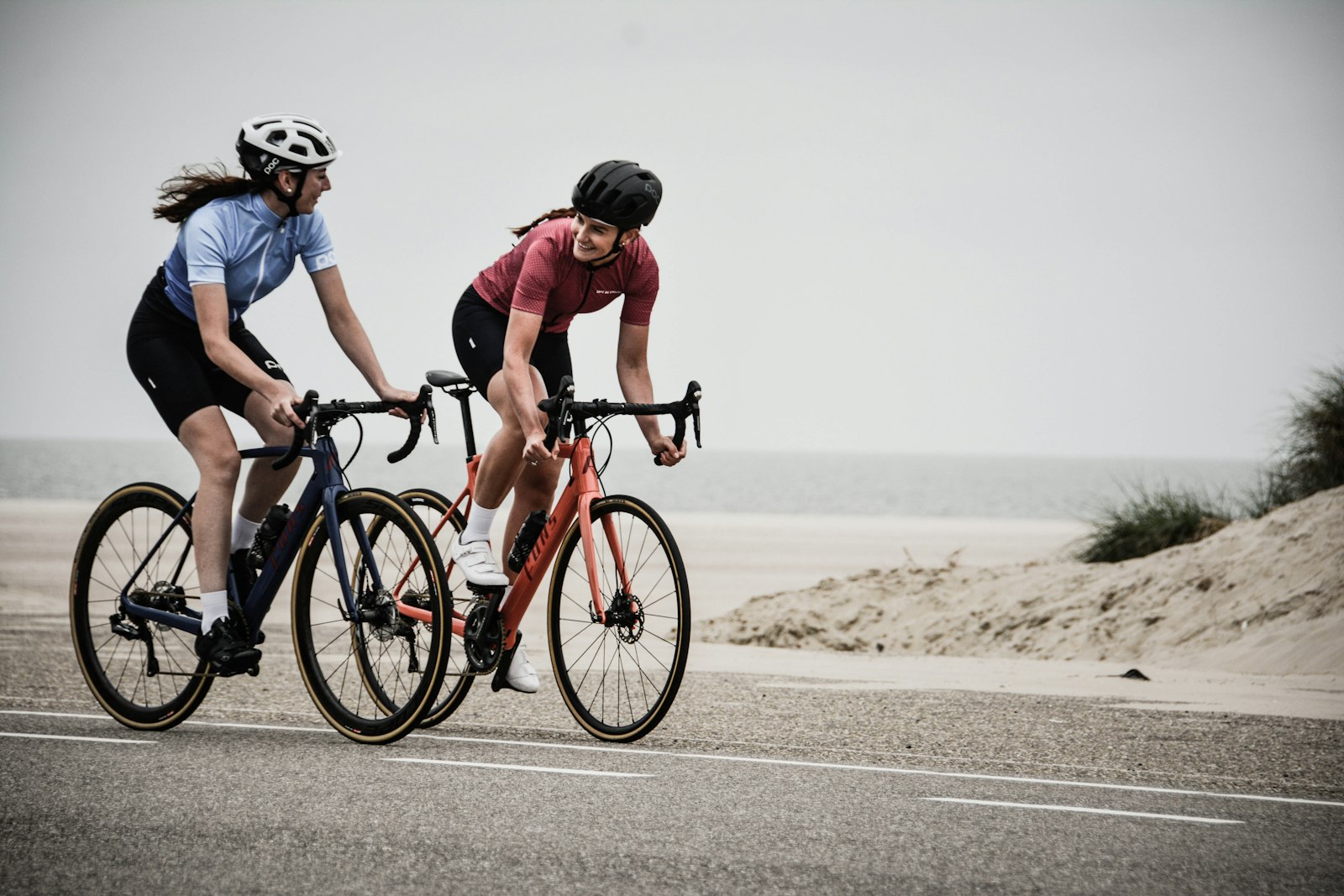
A typical day starts with breakfast at your hotel around 7:30am. The guide briefs the group on the day’s route, weather, and any condition changes (a road closure, a repaved section, a headwind forecast). By 8:30 you’re rolling.
The morning block is usually the main climb. The guide sets a pace calibrated to the group’s ability, discussed during that pre-trip Zoom call. The support van follows at a distance, carrying:
Spare wheels and tubes
Tools and a portable mechanic’s kit
Water, nutrition, and cold drinks
Your luggage (transferred to the next hotel)
Any climb can become a coffee stop. That’s not a concession to weakness. It’s how locals ride these mountains. You stop at a rifugio, drink an espresso, eat a slice of strudel, and then finish the last 4 kilometers to the summit with more in your legs than you expected.
Lunch is usually 90 minutes at a spot the guide knows personally. Afternoon riding is typically a descent and a valley transfer, lower intensity, scenic in a different way. You arrive at the next hotel by 4 or 5pm, with time to shower, stretch, and explore the town before dinner.
The daily distance and elevation are published in advance for every departure. No surprises. And if a day feels too much, the van is right there.
A few things worth knowing before you commit:
Bike logistics — EuroThrills provides guidance on shipping your bike to Europe, including box rental options and customs paperwork. If you’d rather not deal with it, rental bikes (carbon road or gravel, properly fitted) are available through the guide’s local network.
Fitness expectations — The pre-trip planning call is mandatory, not optional. It covers your current weekly volume, longest recent ride, and any physical limitations. The guide uses this to calibrate the group and, if needed, suggest a training adjustment 6 to 8 weeks before departure.
Group size — Always between 12 and 20 riders. Small enough that the guide knows everyone’s name and riding style by day two.
Non-cycling partners — Several departures offer parallel cultural programs: walking tours, wine tastings, spa access. The hotels are chosen partly for this reason. Your partner won’t be sitting in a lobby waiting.
Insurance and cancellation — Full refund if EuroThrills cancels. No vouchers. Trip insurance options are discussed during the planning call.
Alpine cycling with scenic views comes down to a simple exchange. The road asks something of your body, and the mountain gives something back that no gondola or tour bus can replicate. The five regions EuroThrills covers (the Dolomites, Engadin, French Alps, Slovenia, and Austrian Tyrol) each deliver a distinct version of that exchange, from the pale rock towers of the Sella Ronda to the exposed moonscape above the Galibier. Departures run May through September, groups stay small, and the guide who meets you at the start has already ridden every meter of your route this season.
The Dolomites provide scenic bike rides with beautiful landscapes through routes like the Sella Ronda, Passo Gardena, and Falzarego passes. These routes feature limestone towers that change color with the light, offering a unique visual experience as you climb slowly.
The French Alps offer scenic cycling routes with legendary climbs such as Alpe d’Huez and Col du Galibier. These routes are famous for their challenging elevations and expansive views, allowing cyclists to experience the grandeur of the Alps without the Tour de France crowds.
The Engadin Valley is ideal for eco-friendly cycling trips due to its mix of road and gravel surfaces with minimal traffic. The routes traverse high alpine passes and ancient Roman paths, providing a serene and sustainable cycling experience.
The best time for bike paths with views in the Alps is from late May to early September. This period offers varied scenery with snow-lined roads in May and golden light in September, ensuring optimal conditions for those seeking breathtaking vistas.
 Powered by TypeHero
Guided by instructors who wrote the Field Guide — and at destinations they chose.