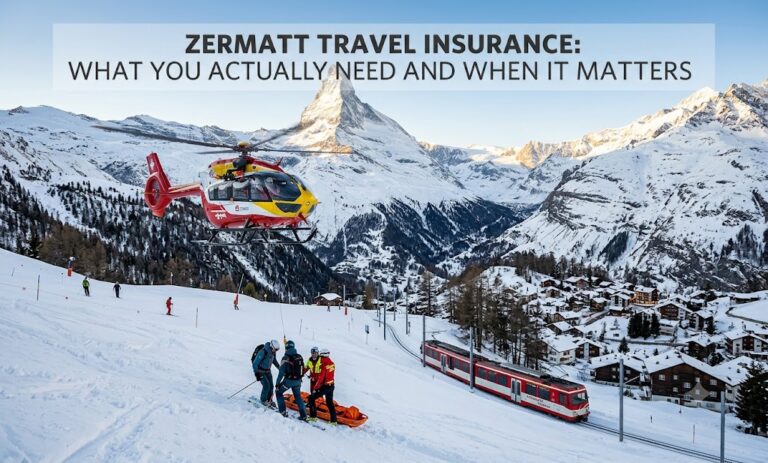
A broken collarbone on the Passo Gardena costs about €12,000 to treat and repatriate if you’re an American without coverage. That’s the short version of why travel insurance for the Dolomites isn’t optional. It’s a region where you’re often 45 minutes from the nearest hospital by mountain road, where helicopter evacuation runs €3,500 to €8,000 […]

A broken collarbone on the Passo Gardena costs about €12,000 to treat and repatriate if you’re an American without coverage. That’s the short version of why travel insurance for the Dolomites isn’t optional. It’s a region where you’re often 45 minutes from the nearest hospital by mountain road, where helicopter evacuation runs €3,500 to €8,000 per flight, and where your domestic health plan almost certainly won’t pay a cent. Whether you’re cycling the Sella Ronda or skiing Cortina d’Ampezzo, the Dolomites sit at altitude (most activity happens between 1,500m and 2,900m), in a country where the healthcare system is excellent but expensive for non-EU visitors.
This isn’t a scare piece. It’s a practical breakdown of what to buy, what to skip, and what most Americans get wrong when they book a trip to the Italian Alps.
Most U.S. health insurance plans, including many PPO and HMO policies, provide zero coverage outside the country. Medicare covers nothing abroad. Some plans offer limited “emergency only” international benefits, but the reimbursement process takes months, requires translated documentation, and typically caps at a fraction of the actual bill.
Italy’s public healthcare system (Servizio Sanitario Nazionale) will treat you in an emergency regardless of insurance status. But the bill arrives later. An overnight hospital stay in Bolzano or Trento runs €800 to €2,000. Orthopedic surgery for a ski fracture, which is the most common serious injury in the Dolomites, can hit €15,000 before transport.
The gap between what your domestic plan covers (often nothing) and what a Dolomites trip can cost you (potentially five figures) is exactly what travel insurance fills.
Not all travel insurance is the same product. For the Dolomites specifically, you need to evaluate four distinct categories, and most off-the-shelf policies only cover two of them well.
This is the non-negotiable. Look for a policy with at least $100,000 in emergency medical coverage and $250,000 in medical evacuation. The evacuation number matters more than you’d expect: helicopter rescue from a via ferrata route or an off-piste ski area in the Dolomites is a real possibility, not a hypothetical. The Italian Alpine Rescue Service (Corpo Nazionale Soccorso Alpino e Speleologico) coordinates evacuations, but the cost falls to you or your insurer.
A policy that covers “adventure sports” or “winter sports” by default is worth the premium bump. Many standard travel medical plans exclude skiing, cycling above a certain speed, or activities above 3,000m. Read the exclusions page, not the marketing page.
If you’re spending $8,500 or more on a guided Dolomites cycling trip, trip cancellation coverage protects that investment. Standard policies reimburse prepaid, non-refundable costs if you cancel for a covered reason (illness, injury, family emergency, airline bankruptcy). “Cancel for any reason” (CFAR) upgrades cost 40–60% more but reimburse 50–75% of trip cost regardless of why you cancel.
One thing I’d flag: CFAR policies usually require purchase within 14–21 days of your first trip deposit. Miss that window and the option disappears.
A road bike worth $4,000 to $8,000 or ski gear worth $2,000 to $3,000 needs specific coverage. Standard baggage protection caps at $500 to $1,500 total, with per-item limits around $250 to $500. That won’t replace a cracked carbon frame.
For cyclists, a standalone sports equipment rider or a policy from a specialist insurer (Spoke, Velosurance, or your homeowner’s/renter’s policy rider) is the better play. For skiers, rental gear is usually covered by the rental shop’s own damage waiver, which costs €5 to €15 per day and is worth it.
The Dolomites are accessed through airports in Venice (VCE), Innsbruck (INN), Verona (VRN), or Munich (MUC), with ground transfers of 2 to 4 hours depending on your destination. A missed connection or a 6-hour delay in a European hub can cascade into a lost first day. Delay coverage reimburses meals, hotels, and rebooking costs, typically after a 6 or 12-hour trigger.
Honestly, this is the least critical of the four. But if you’re flying through a single connection point with tight timing, it’s cheap peace of mind.
The Dolomites aren’t a beach resort. They’re a high-altitude, active-sport destination with specific risks. Here’s what separates a good policy from a generic one.
Feature | Minimum for Dolomites | Why It Matters |
|---|---|---|
Emergency medical | $100,000 | Covers surgery, hospital stays in Bolzano/Trento |
Medical evacuation | $250,000 | Helicopter rescue from altitude runs €3,500–€8,000 |
Adventure sports included | Yes, by default | Skiing, cycling, via ferrata must not be excluded |
Altitude ceiling | 4,000m+ | Some policies exclude activity above 3,000m |
Gear/equipment | $3,000–$5,000 per item | Bikes and ski equipment need adequate per-item limits |
Pre-existing conditions waiver | Available | Usually requires purchase within 14–21 days of deposit |
24/7 assistance hotline | English-speaking | You don’t want to navigate Italian bureaucracy mid-crisis |
One detail most travelers miss: check whether your policy covers you for the specific activity you’re doing. “Winter sports” coverage sometimes excludes off-piste skiing. “Cycling” coverage sometimes excludes road cycling above 40 km/h on descents. The Dolomites involve both of these regularly.
I’m not going to rank insurers here because your age, trip cost, and medical history change the math. But a few names come up consistently for active travel in Europe.
World Nomads covers adventure sports by default and works well for cycling and skiing trips. The Explorer plan includes higher equipment limits. Allianz Travel Insurance offers strong medical evacuation coverage and a clean claims process. IMG Global is worth a look for longer trips or travelers over 65, where other providers get expensive.
The common mistake: buying the cheapest policy on a comparison site without reading the activity exclusions. A $45 policy that excludes “organized sporting activities” or “mountaineering above 2,500m” is functionally useless in the Dolomites. You’re better off spending $120 to $200 for a policy that actually covers what you’ll be doing.
If you’re booking a guided cycling trip in the Alps, ask your operator what’s included. Some guided trip providers build certain protections into the trip cost (support van, on-ground medical contacts, emergency coordination). That doesn’t replace personal travel insurance, but it reduces the scenarios where you’re navigating a crisis alone.
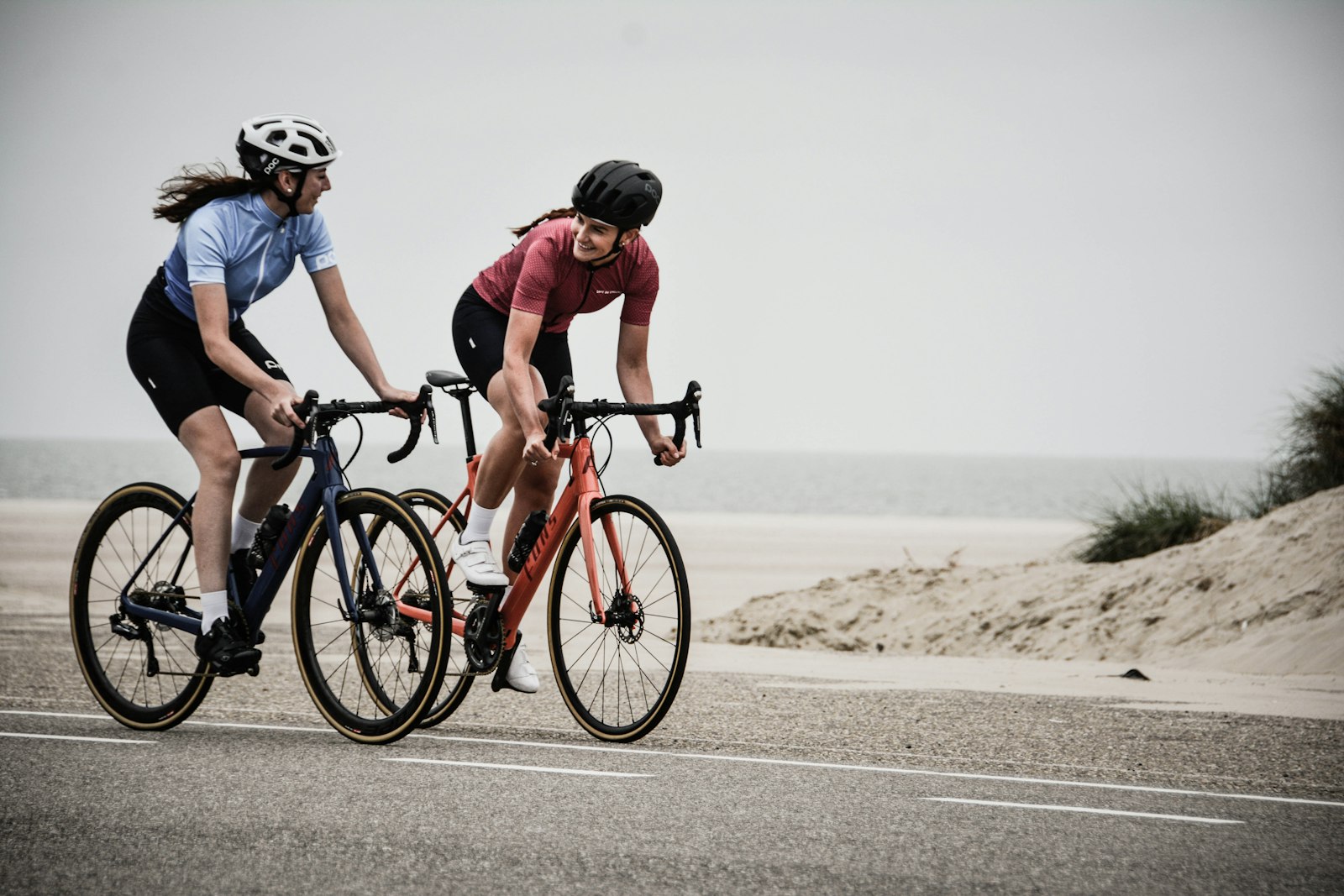
A well-run guided trip in the Dolomites handles a layer of risk that sits below insurance, the operational logistics that prevent problems from becoming emergencies.
When you travel with EuroThrills, for example, a named guide accompanies every departure. A support van follows cycling groups daily. The pre-trip planning call covers fitness, medical conditions, and dietary needs before you leave home. And 24/7 in-trip support means someone who speaks the language and knows the local hospitals is a phone call away.
That operational layer, the guide who knows which clinic in Corvara has an English-speaking orthopedist, the van that can get you off the mountain in 20 minutes, matters as much as the insurance card in your pocket. But it’s a complement to insurance, not a substitute.
If your operator offers a full refund on cancellation (EuroThrills does: no vouchers, no fine print), that reduces your trip cancellation exposure. You might still want CFAR coverage for flights and other non-refundable costs, but the biggest line item is already protected.
Buy travel insurance within 14 to 21 days of your first trip deposit. This window matters for two reasons: it’s typically required for CFAR eligibility, and it’s the only way to get a pre-existing medical conditions waiver on most policies.
Expect to pay 5–12% of your total trip cost. For a $9,000 Dolomites trip, that’s $450 to $1,080 depending on your age, coverage level, and whether you add CFAR. Travelers over 60 pay more. Travelers with pre-existing conditions pay more. That’s the math, and it’s not negotiable with most providers.
A couple of practical notes:
Annual multi-trip policies make sense if you travel internationally more than twice a year. They’re often cheaper per-trip than single-trip policies and cover all your travel for 12 months.
Credit card travel insurance (Chase Sapphire Reserve, Amex Platinum) covers trip delay and some cancellation but rarely includes adequate medical or evacuation coverage. Treat it as a supplement, not your primary policy.
European Health Insurance Card (EHIC) applies only to EU/EEA residents. As an American, it does nothing for you.
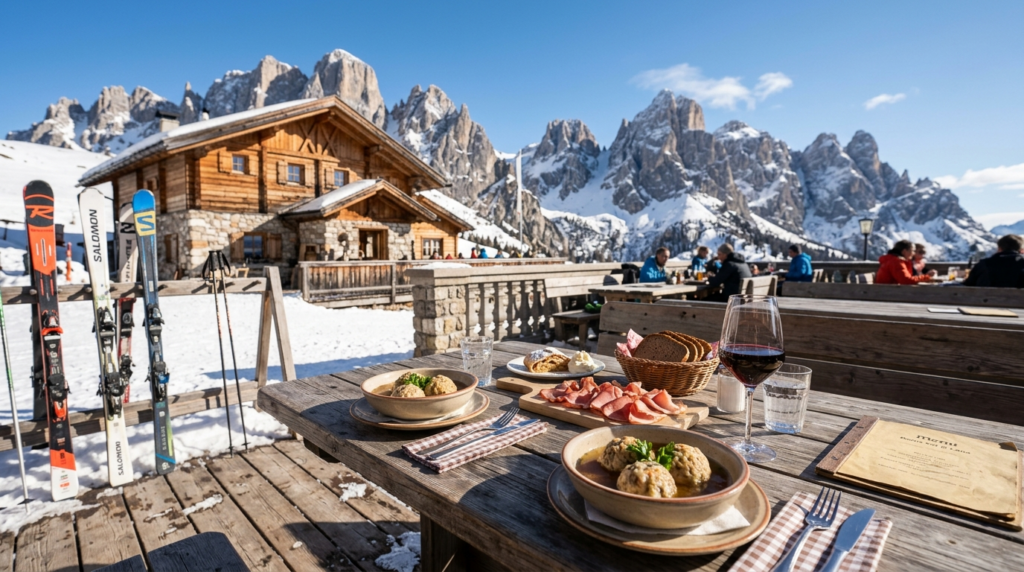
The Dolomites present activity-specific risks that generic travel insurance doesn’t always address. Here’s what to think about by sport.
Descents on passes like the Passo Pordoi (2,239m) and Passo Falzarego (2,105m) regularly hit 60–70 km/h. Road surfaces vary. Tunnels are poorly lit. Traffic includes tour buses on narrow switchbacks. The most common cycling injuries in the region are fractures (collarbone, wrist) and road rash requiring medical attention.
Your policy needs to cover cycling as a named activity, without speed exclusions that would void coverage on a fast descent. If you’re bringing your own bike, confirm the per-item equipment limit covers its replacement value. And if you’re renting, the rental provider’s damage waiver handles the bike itself, but not your body.
Cortina d’Ampezzo, host of the 2026 Winter Olympics, and the Sella Ronda circuit offer terrain from groomed cruisers to serious off-piste. Avalanche risk exists on unmarked terrain. Knee injuries (ACL tears) are the most common ski injury requiring evacuation, and they happen to intermediate skiers as often as experts.
Confirm your policy covers skiing (including off-piste if you plan to go there) and doesn’t exclude “competitive” or “extreme” winter sports, a vague category some insurers use to deny claims. If you’re skiing with a certified guide, that actually strengthens your position with most insurers, since guided off-piste is considered lower risk than unguided.
The Dolomites are the birthplace of via ferrata, and routes like the Ivano Dibona (3–5 hours, exposed ridgeline at 2,800m) attract thousands of hikers each summer. Falls, rockfall, and altitude sickness are the primary risks. Many travel insurance policies classify via ferrata as “mountaineering” and exclude it above certain altitudes. Check explicitly.

Before you leave for the Dolomites, confirm these five things:
Your policy covers your specific activities (skiing, cycling, via ferrata) without exclusions that apply to your trip
Medical evacuation coverage is at least $250,000 and includes helicopter rescue from altitude
You have a printed or downloaded copy of your policy number, emergency assistance hotline, and claims procedure
Your operator has your emergency contact information and any relevant medical details
You’ve registered with the U.S. State Department’s Smart Traveler Enrollment Program (STEP) for your destination
The right travel insurance for a Dolomites trip costs $450 to $1,000, takes 30 minutes to purchase, and covers a financial exposure that can reach five figures. It’s the least interesting part of trip planning and the one you’ll care about most if something goes wrong. Buy a policy that names your sport, covers evacuation from altitude, and protects your gear. Then forget about it and go ride the Falzarego.
 Powered by TypeHero
Guided by instructors who wrote the Field Guide — and at destinations they chose.